
BKI Class Survey Kendari: Surveyor & Dock in One Visit

The cheapest way through a BKI (Biro Klasifikasi Indonesia, the Indonesian Classification Bureau) class survey in Kendari is syncing the dock slot, surveyor arrival and vessel readiness into one visit. A vessel already clean, opened up and documented for the surveyor finishes in one visit; an unready one forces a repeat, adding surveyor travel costs, dock days and operating delays.
Kendari Shipyard Desk wrote this guide from experience coordinating the dry docking of classed vessels and Indonesian-flagged vessels at facilities in and around Kendari. We are not part of BKI and do not speak for any institution; our role is to make sure the yard side and the vessel side are ready so the surveyor’s work runs smoothly.
First, understand which survey is due
Before talking schedules, confirm which survey the vessel must undergo: the annual survey, the intermediate survey, the class renewal (special) survey, or the docking survey, which requires the vessel to be examined in dry condition within a set interval. Each type has a different scope — and that scope determines how long the vessel must stay on the dock and what work the shipyard needs to prepare. We summarize the vessel documents inspectors usually ask for in our article small commercial vessel documents: checklist & validity periods.
Why synchronization matters in Kendari
Surveyors serving the Southeast Sulawesi region are not always in town every day; visits are often scheduled around incoming requests. On the other side, slipway slots and yard labor have their own queues. If the two are not locked in together, the bad scenario is a classic: the vessel is already on the dock paying dock days while the surveyor can only come next week — or the reverse, the surveyor arrives and the vessel has not been hauled out because the slot ran late.
The single-visit sequence we run
1. Four to six weeks before: lock in both dates
Submit the survey request with the expected date the vessel will be on the dock, and at the same time lock in the dock slot for the same window. Leave a 2–3 day buffer between haul-out and the surveyor’s arrival for washing, scraping and opening up access.
2. Two weeks before: prepare the defect list and access
Build the defect list from internal findings: doubtful plate thickness, sea valves to be opened, the shaft to be drawn. Make sure the shipyard prepares the scaffolding, lighting and opening of the tanks to be inspected. Spaces that cannot be accessed are the most common reason a survey is delayed.
3. At haul-out: clean first, then inspect
The hull is pressure-washed and scraped until the plating or planking is visible. On steel vessels, the thickness measurement points are prepared; for the gauging itself, coordinate an approved ultrasonic thickness gauging (UTG) firm. Hull markings and draft marks are checked to be legible.
4. Survey day: one full, structured day
The efficient order we usually set: the external hull and propeller–rudder in the morning, sea valves and interior spaces at midday, documents and closing of findings in the afternoon. Our supervisor attends throughout, records every finding and immediately turns it into a work instruction for the shipyard.
5. After the survey: close findings before refloating
Findings that can be completed while the vessel is still on the dock are done straight away — refloating the vessel and then hauling it out again for a single finding is the biggest avoidable waste there is.
Common mistakes that drag a survey out
| Mistake | Consequence | Prevention |
|---|---|---|
| Vessel not yet washed when the surveyor arrives | Hull inspection postponed | 2–3 day buffer after haul-out |
| Tanks not opened / not yet gas-free | Spaces cannot be inspected | Opening plan from the defect list stage |
| Certificates scattered | Administrative verification delayed | Complete document folder on board |
| Spare parts not yet arrived | Findings cannot be closed on the dock | Procurement locked in before haul-out |
Our desk’s role
In our survey support package, we handle the side that most often leaks: synchronizing the surveyor–shipyard schedule, access readiness, photo documentation of every finding, and follow-through until all findings are closed. Service details are on our BKI survey & docking support page. The cost components — dock days, shipyard services and work items arising from findings — you can estimate with our Kendari docking cost guide. We present all our estimates in USD; official fees of government bodies or the class society follow each body’s official tariffs.
One visit, every finding closed, the vessel refloated with its certificates current — that is the standard we aim for every time we support a survey in Kendari.
Documentation: the most underrated tool
A survey goes quickly when the vessel’s history is in order. Prepare before the day: the previous docking report with photos, records of plate or plank replacements with their locations, earlier thickness gauging results, the engine maintenance log, and a list of repairs carried out since the last survey. A surveyor who can read the history doesn’t have to guess — and a vessel with a clear history almost always gets a smoother process. This is also why we photograph and archive every job we supervise: that archive becomes an asset of the vessel at every later survey, not a single-use report.
Counting the cost of the repeat visit you avoid
Let’s be honest with the numbers. A surveyor visit that fails because the vessel isn’t ready means: the surveyor’s travel costs and time for a repeat visit, extra dock days while waiting for the next slot (and the surveyor’s calendar is not always free next week), plus the whole operating plan of the vessel slipping back. For a commercial vessel whose daily operating value runs to hundreds of dollars, one failed repeat visit easily becomes a loss of thousands of dollars — all to save two or three days of preparation that is actually cheap. The single-visit principle is not a luxury; it is basic discipline that pays for itself on the first survey. If your vessel is approaching a survey due date and you want this whole synchronization held by one party from start to certificate issue, that is exactly the work our desk does in Kendari.
A final note for owners going through a survey in this region for the first time: start communicating earlier than you think you need to. The regional surveyor schedule, the dock slot queue and material procurement all move at different rhythms, and the only way to make all three meet on the same date is to start coordinating six weeks ahead. Send your vessel details and certificate due dates to our desk, and we will put together a synchronized schedule complete with a preparation list and a USD estimate per item — so your next survey takes just one visit, as the title of this article promises.
FAQ
How do you keep a class survey from using up extra dock days?
Lock in the dock slot and the surveyor’s schedule together 4–6 weeks ahead, leave a 2–3 day buffer after haul-out for washing and opening up access, and close every finding while the vessel is still on the dock.
What is the most common reason a survey is delayed?
The vessel isn’t ready when the surveyor arrives: the hull hasn’t been washed, tanks haven’t been opened or aren’t gas-free, documents are scattered, and the spare parts needed to close findings haven’t arrived. All of it can be prevented with preparation two weeks before the scheduled date.
Is Kendari Shipyard Desk part of BKI?
No. We are an independent coordination and supervision desk: we prepare the vessel and shipyard side so the surveyor’s inspection runs smoothly, attend during the survey, and follow the closing of findings through to completion.
Compiled by Kendari Shipyard Desk — specialist maritime brand under Juara Holding Group. Service contracts through PT Komodo Galangan Nusantara. Slot and estimate inquiries: WhatsApp 6281139414563 or bd@juaraholding.com.
Further reading
-
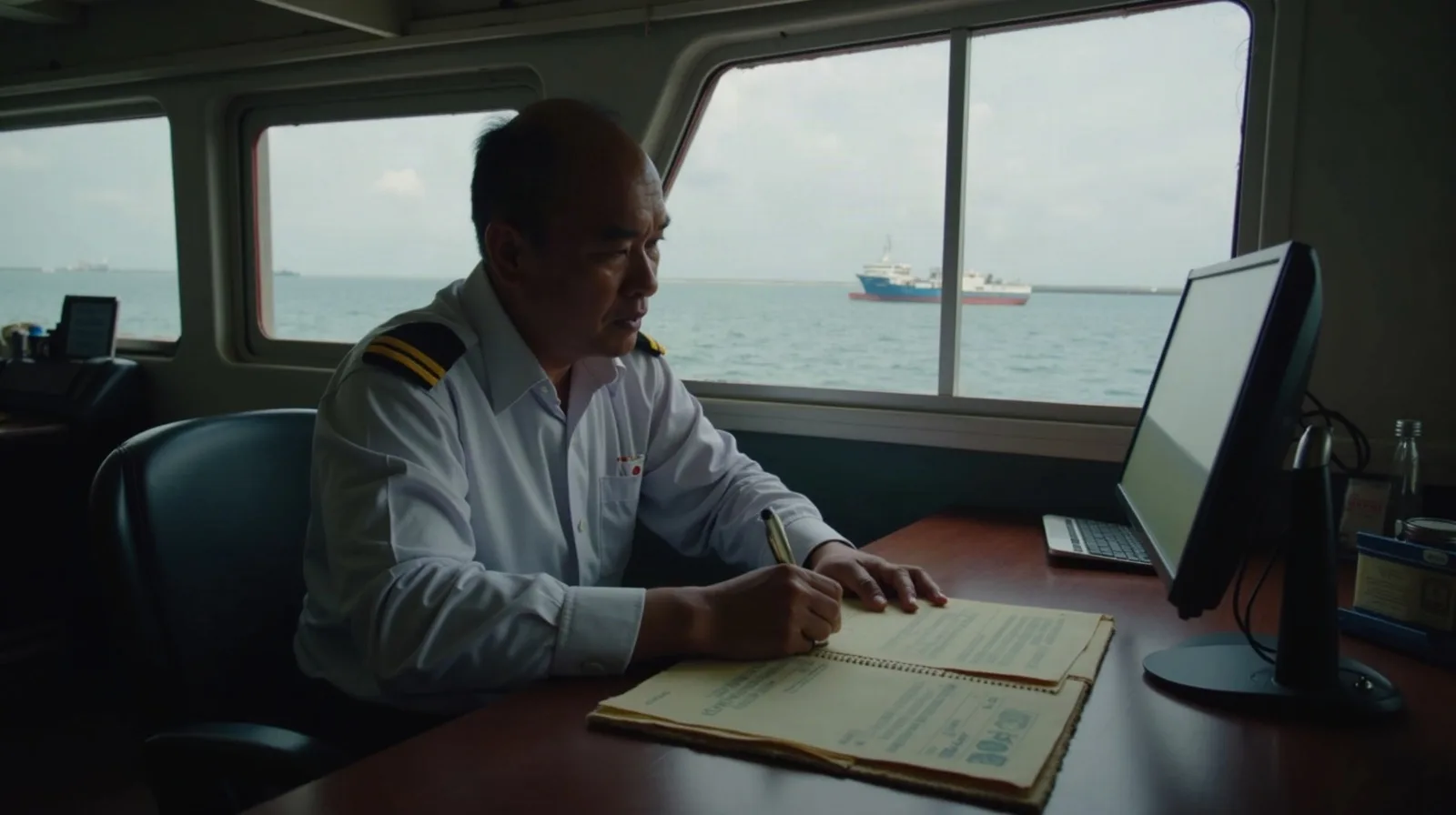
Small Commercial Vessel Documents: Checklist & Validity
Small commercial vessel documents under the Indonesian flag form a core set that must always be current for legal operation: the Surat Ukur (tonnage/measurement certificate), nationality certificate (Pas), safety certificate,…
-
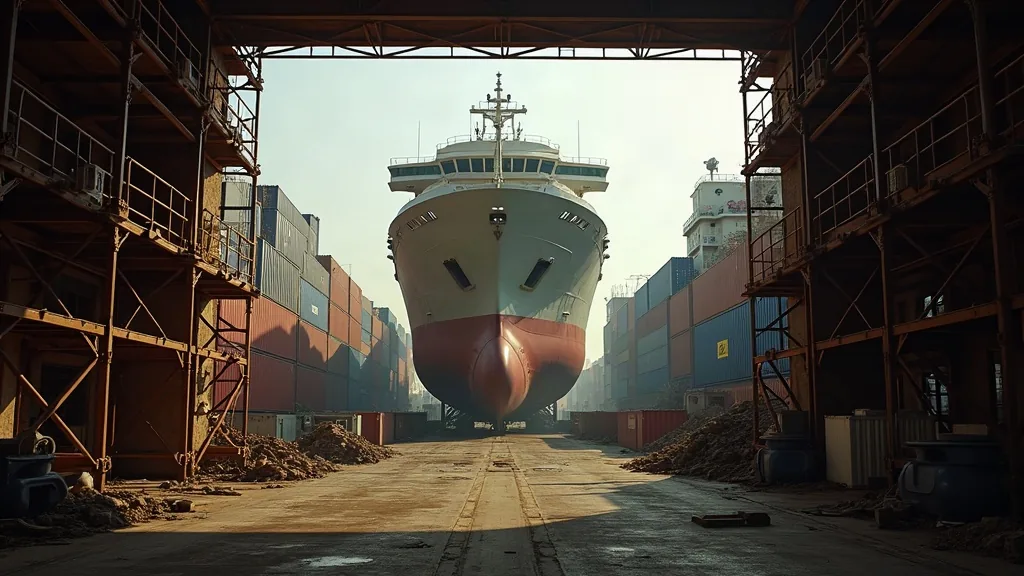
Boat Building Cost in Indonesia vs Vietnam vs Turkey: A Buyer’s Reality Check
Judging boat building cost — Indonesia vs Vietnam vs Turkey — by headline price is the fastest way to reach the wrong conclusion. Total delivered cost is determined by factors…
-

Liveaboard Vessel ROI: An Honest Way to Calculate Charter Vessel Returns
Charter vessel investments are often judged with models that are too optimistic on revenue and too light on costs. This article sets out a more honest framework for calculating liveaboard…