
Shipyard Journal
Dry Docking & Repair
Dry docking is not simply hauling a vessel onto land; it is a time window that has to be planned so costs do not balloon. This topic covers the vessel maintenance cycle in Southeast Sulawesi waters: mandatory dry-docking intervals under class, the difference between a slipway and airbag launching, hull cleaning and painting, anode replacement, shaft and rudder inspection, plate and structural repair, through to retesting machinery systems before the vessel returns to service. We also explain how to read a shipyard quotation — what falls within the lump sum and what becomes a variation order (VO) — and how to prepare a repair specification so that bids from different yards can be compared like for like. Cost estimates are given per GT in USD as indicative ranges. Contracts for vessel construction, repair, refit and sales are issued by PT Komodo Galangan Nusantara. This topic also highlights the work owners most often underestimate: shaft alignment, steering system calibration, inspection of sea valves and cooling pipework, and testing of fire-fighting and emergency electrical systems. We explain how to build a work list from survey findings, when to replace and when repair is enough, and how to contain surprise costs through scheduled hull inspections before the vessel is hauled out. For fleets, we discuss how to set up a dry-docking rotation so that operations do not all stop at once and revenue keeps flowing throughout the season.
-
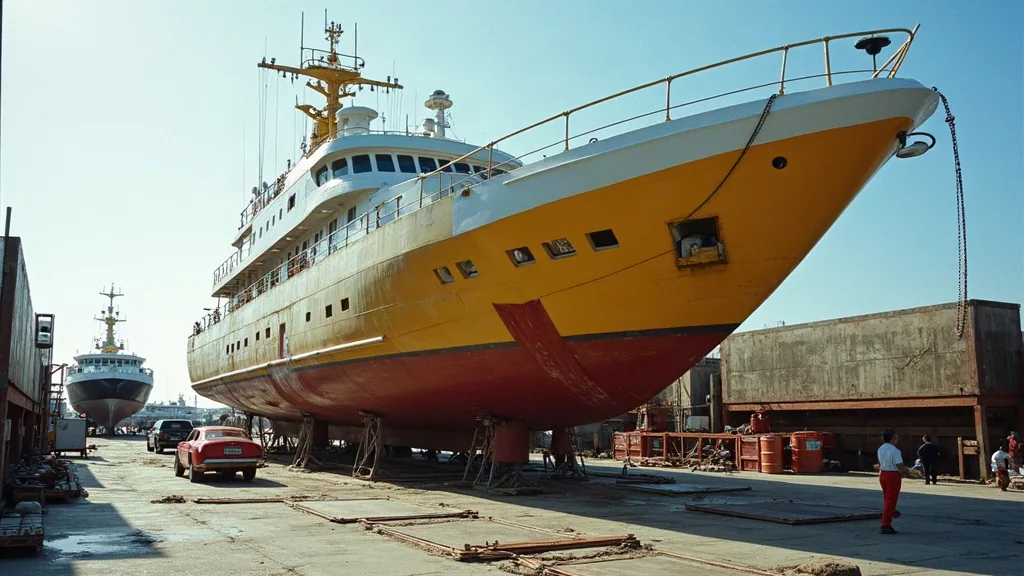
Annual Dry Docking Budget and Schedule: What Vessel Operators Must Plan For
Dry docking is a predictable expense, yet most operators treat it as an annual surprise. This article sets out an annual dry docking budget framework that turns that spending into…
-
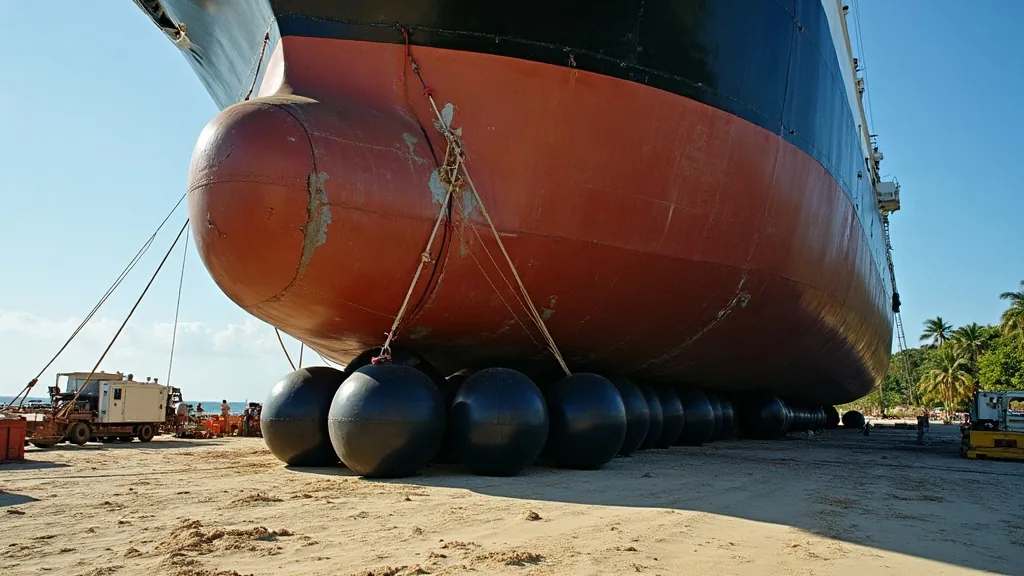
Airbag Launching vs Slipway vs Graving Dock: Which Suits Your Vessel?
Airbag launching vs slipway is really a three-way choice, because the graving dock is the third method widely used in Indonesia. How a vessel is brought out of the water…