
Wooden Fishing Vessel Hull Maintenance: The Right Cycle
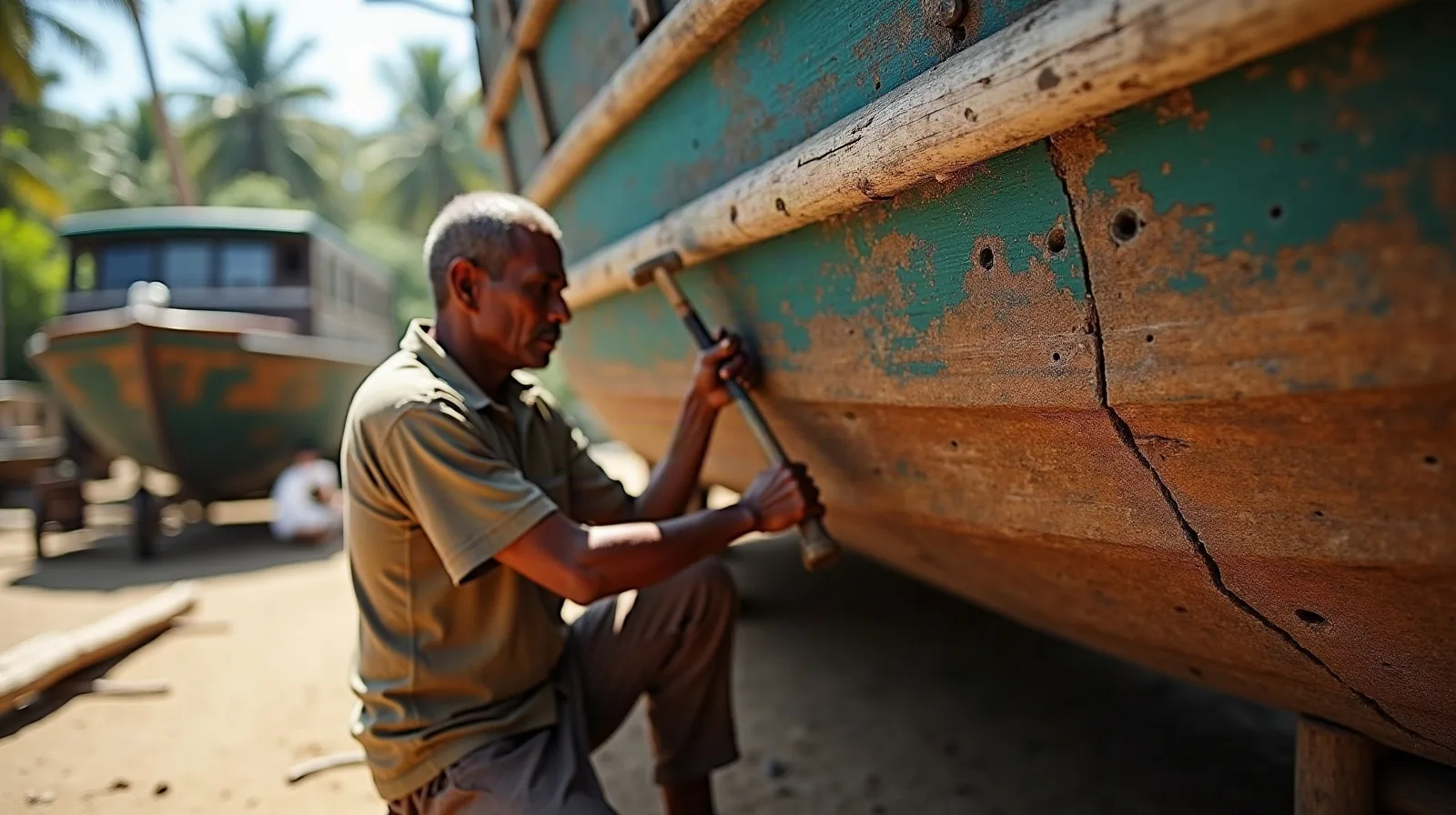
The right wooden fishing vessel hull maintenance cycle in tropical waters is: inspection and cleaning at every haul-out, every 6–12 months; re-caulking seams that start to weep; replacing rotten or shipworm-damaged planks before the damage spreads; and fresh antifouling every cycle. Kept to this rhythm, a wooden vessel can last decades; waiting for a leak costs far more.
This guide was written by Kendari Shipyard Desk from the work we supervise most often on the wooden fishing fleet of Southeast Sulawesi — from small net boats to purse seiners based at the Kendari Ocean Fishing Port (PPS Kendari).
The main enemies of a wooden hull in tropical seas
Shipworm (teredo) and other borers
Warm water is ideal shipworm habitat. A teredo attack is often invisible from outside — the entry hole is tiny, but inside the plank the worm bores long tunnels that destroy the strength of the timber. The best defense is an intact antifouling coat plus routine inspection: a plank that sounds hollow when tapped with a hammer is a candidate for a graving piece or full replacement.
Fresh water and rot above the waterline
Ironically, the part of a wooden vessel that rots fastest is often above the waterline: rainwater trapped in the bilges, the deck-to-hull joint, and the areas around bolt bushings. Poor ventilation speeds up the rot. At every haul-out these areas must be opened up and inspected, not just the underwater body.
Vibration and structural fatigue
An engine with loose mounts loosens the fastening of the planking to the frames. If your vessel starts vibrating abnormally, don’t just re-caulk — find the source of the vibration. We describe the symptoms in our article reading propeller and shaft vibration symptoms.
Core work at every haul-out cycle
1. Wash, scrape and inspect
Once the vessel is up the slipway, the hull is washed and scraped clean of barnacles. Only when it is clean does the real inspection begin: tap every underwater plank, mark the hollow ones, look for loose caulking, and check the condition of the stem, sternpost, keel and rudder.
2. Re-caulking
Caulking is what keeps a wooden vessel watertight. Seams where the caulking has worked out or dried are cleaned to the bottom of the seam, re-caulked with the right material, then sealed with seam compound. Caulking simply pressed in over old caulking will start weeping again within months — this is one of the points we supervise most strictly.
3. Graving pieces and plank replacement
A plank with local damage can take a graving piece; a plank with worm tunnels or rot running along it must be replaced in full, out to the nearest sound frame. Make sure the replacement timber is dry and of the same species (or better) as the original plank, and that the fastening pattern follows the frames rather than being driven at random.
4. Anodes and metal protection
Bolts, fittings and the shaft are still metal — which means they still need sacrificial anodes and corrosion checks, especially if the vessel has a modern engine and electrical installation.
5. Antifouling paint
Primer on bare timber, then antifouling matched to the vessel’s operating schedule. We cover the choice of antifouling for the warm seas of eastern Indonesia separately in our article antifouling for the Banda Sea.
Realistic intervals for Southeast Sulawesi fleets
| Item | Typical interval | Notes |
|---|---|---|
| Slipway haul-out + wash + inspection | 6–12 months | Hard-working workboats lean toward 6 months |
| Antifouling renewal | Every haul-out | Fouling builds fast in warm water |
| Full re-caulking | 2–4 years | Spot repairs every cycle |
| Anode replacement | Every haul-out | Check the wastage rate |
| Major structural inspection | 4–5 years | Open up the interior, check frames & bolts |
Where this work is done in Kendari
For wooden fishing vessels, the two main homes are the coastal slipways of Kendari Bay and the Moramo–Lapuko yard cluster in South Konawe, which has historically been strong in timber work. Choosing the facility, locking in the slot and supervising quality is our desk’s daily work — the technical hull scope is on our hull repair & vessel painting in Kendari page, and the haul-out process on our slipway & haul-out in Kendari page.
One last principle we always hold to: on a wooden vessel, the biggest cost is not the work that gets done but the work that gets postponed. The one plank left alone this year becomes three planks plus a frame next year.
The right materials: half of a vessel’s lifespan
No amount of good maintenance survives the wrong materials. For replacement planks we hold to three requirements: a timber species equal to or better than the original, the right moisture content (wet timber shrinks and opens the seams within a few months), and no sapwood, which borers attack easily. For caulking, the right material and a seam compound compatible with the next paint coat. For bolts and nails, avoid mixing metals carelessly — galvanized bolts next to bronze fittings in a wet hull are a recipe for corrosion that speeds up the decay of the surrounding timber. Owners who take the time to order the right materials a few weeks before dry docking almost always get results that last twice as long as those who buy whatever happens to be in the market on the day of the work.
Signs your hull needs an earlier haul-out
Don’t wait for the schedule if any of these appear: the bilge pump running more often than normal (log how many times a day it cycles — a rising trend is the most honest alarm), bilge water that smells of rotting timber, mold or damp patches on the inside of the hull, planks that feel soft under thumb pressure, or a waterline that sits lower because the vessel is getting heavier as it soaks up water. Each of these symptoms is far cheaper to deal with this week than next month. A final rule for owners: be there in person, or send an independent supervisor, while the vessel is on the dock — deciding which planks are replaced and which are kept is a money decision, and it deserves to be watched by eyes on your vessel’s side.
FAQ
How often should a wooden vessel be hauled out?
In the tropical waters of eastern Indonesia: inspection and antifouling every 6–12 months, full re-caulking every 2–4 years, and a major structural inspection every 4–5 years. Hard-working workboats use the short end of those intervals.
How do you detect shipworm attack in hull planking?
Tap the underwater planks while the vessel is on the dock: a hollow sound means borer tunnels inside the timber even when the entry holes are tiny. Affected planks are replaced out to the nearest sound frame, not just filled.
Why does a wooden vessel start leaking again soon after caulking?
Usually because new caulking was pressed in over old caulking without cleaning the seam to the bottom, or because the surrounding planks and frames are already weak, so the seam keeps moving. Proper caulking starts with cleaning the seam and checking the structure.
Compiled by Kendari Shipyard Desk — specialist maritime brand under Juara Holding Group. Service contracts through PT Komodo Galangan Nusantara. Slot and estimate inquiries: WhatsApp 6281139414563 or bd@juaraholding.com.
Further reading
-
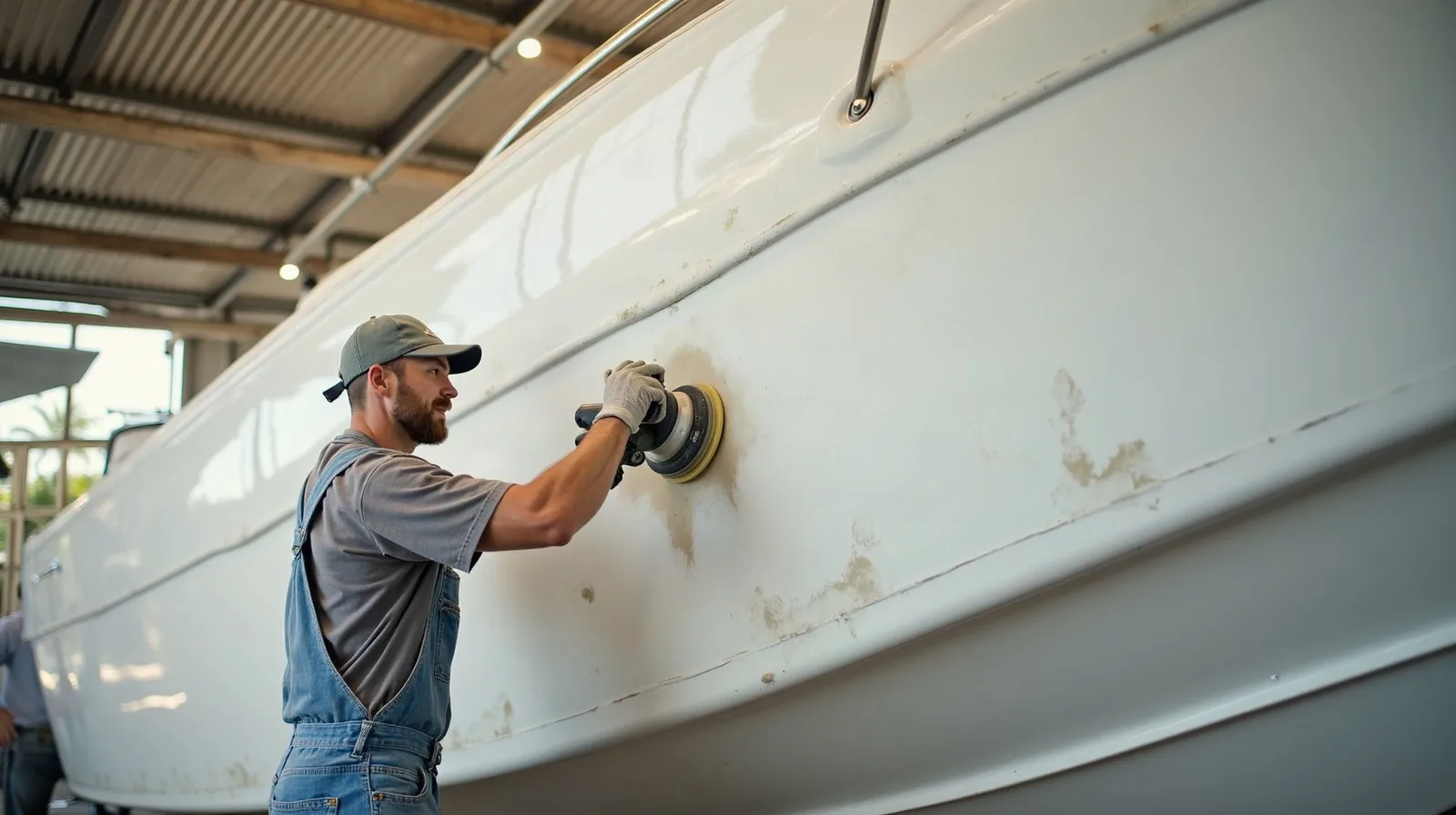
Fiberglass Hull Osmosis in the Tropics: Blisters and Gelcoat
Fiberglass hull osmosis — water slowly soaking into the laminate and raising blisters — is one of three tropical enemies of a fiberglass boat, together with sun-degraded gelcoat and careless…
-
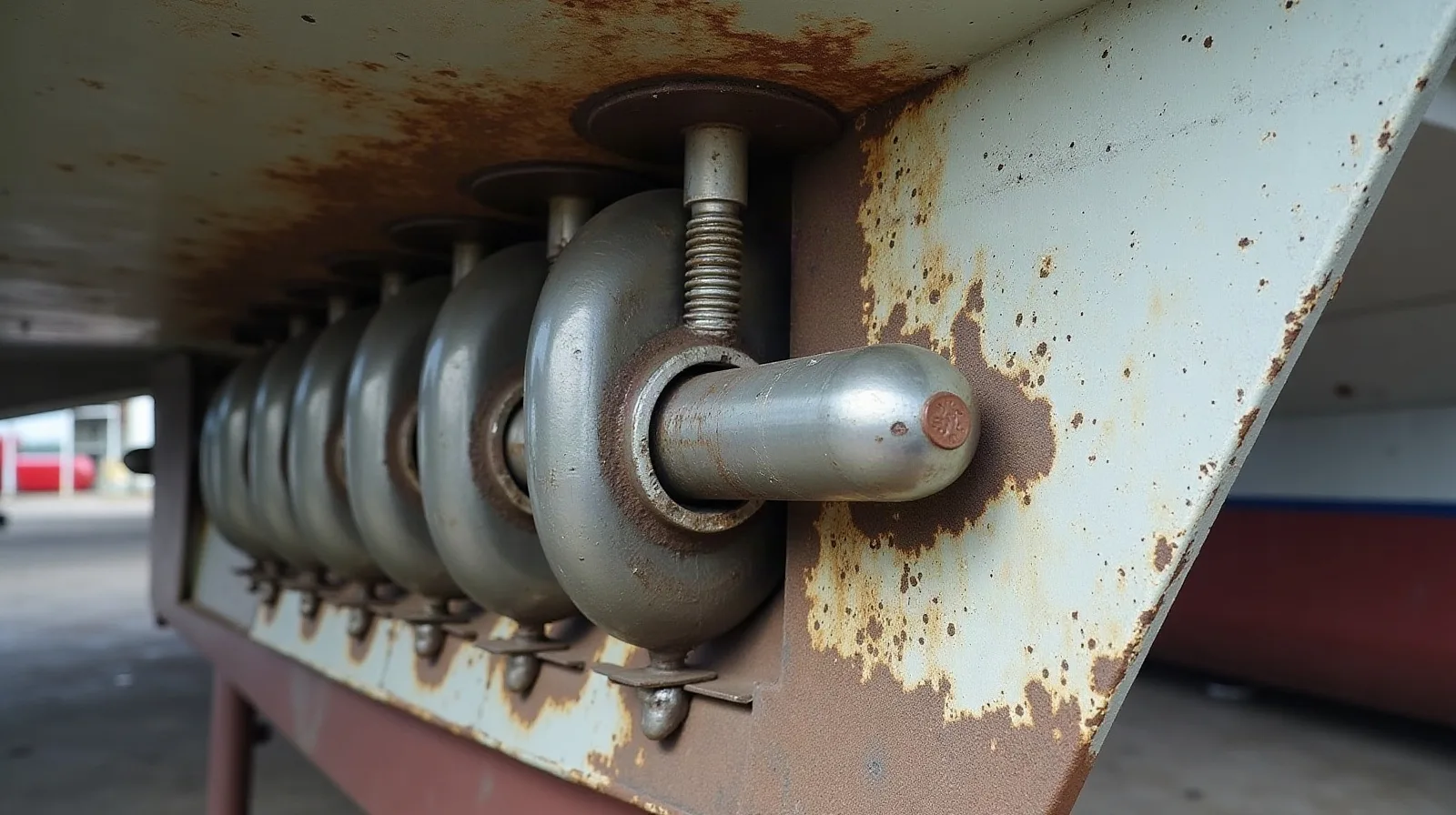
Galvanic Corrosion on Vessels: Early Detection and Anodes
Galvanic corrosion on vessels occurs when two dissimilar metals are electrically connected in seawater: the more active metal corrodes to protect the more noble one. Steel hull plate, shafts and…
-
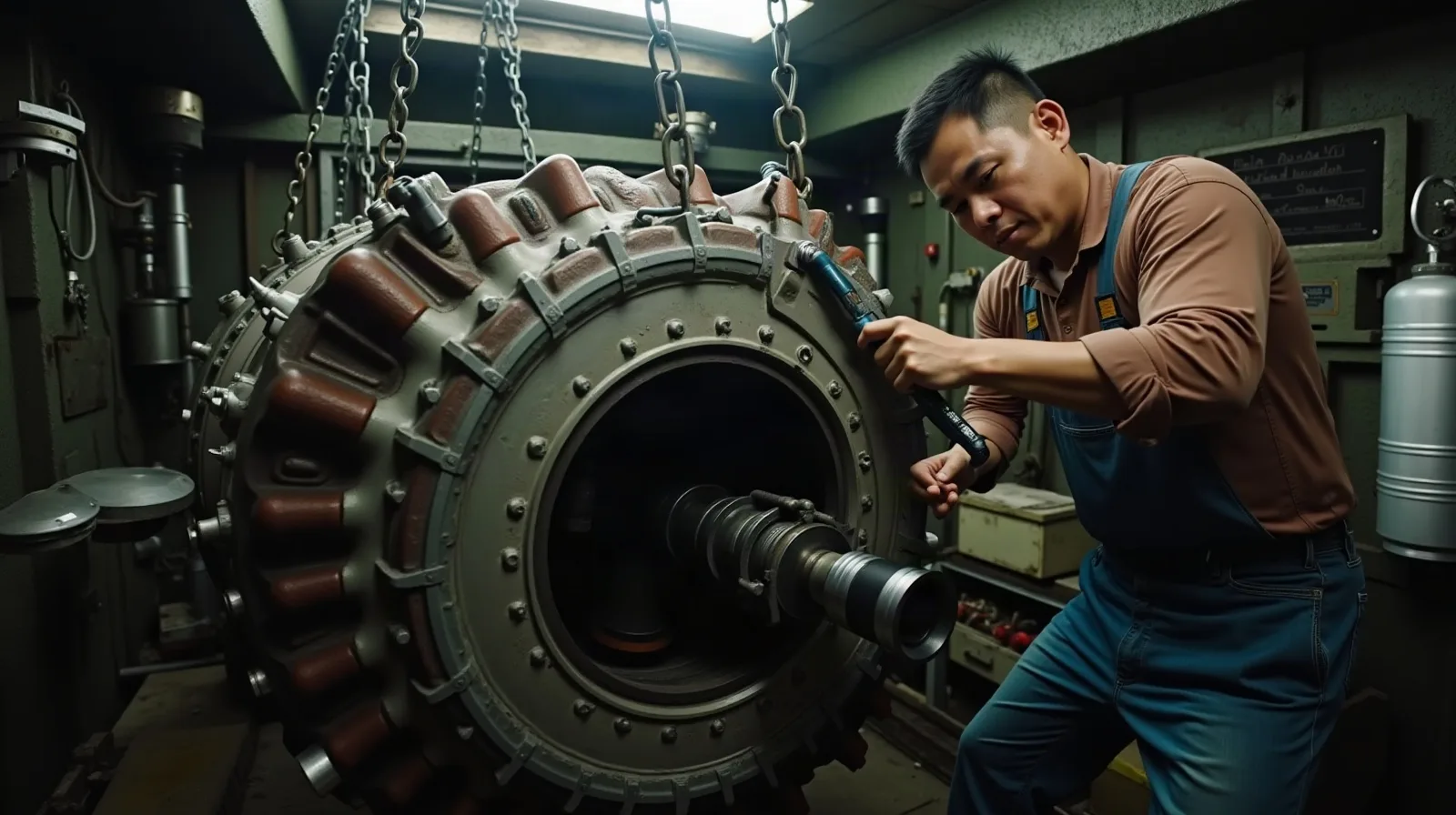
Top Overhaul vs Major Overhaul: Decide by Running Hours
The top overhaul vs major overhaul decision is safest made from engine running hours, not gut feeling. Rule of thumb for mid-size marine diesels: top overhaul (cylinder heads, valves, injectors)…