
Grounded Vessel: First 24 Hours in Southeast Sulawesi Waters
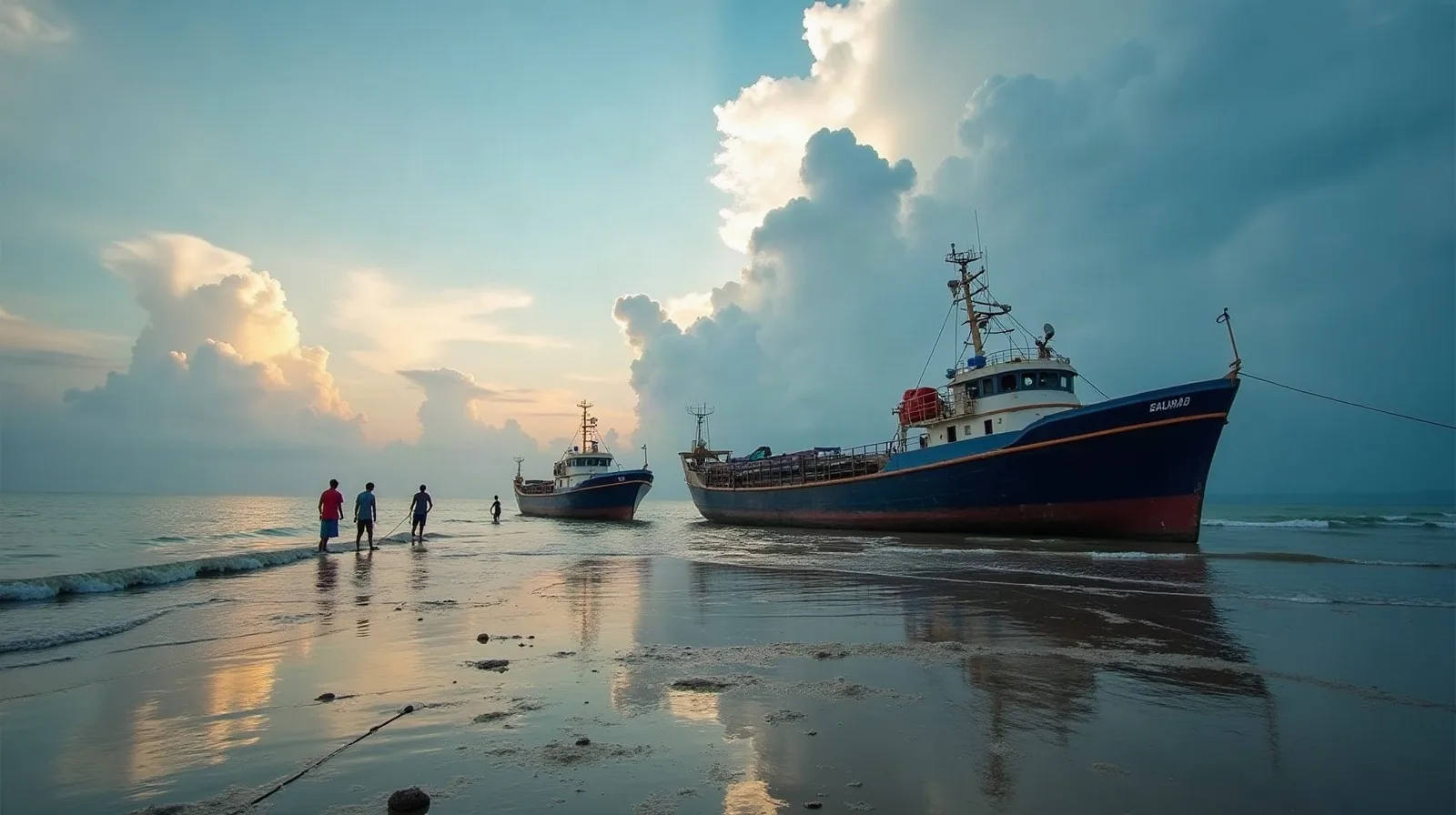
For a grounded vessel, or one that is leaking, the first 24 hours follow an order of priorities that must never be reversed: save people → stop the water → report to the harbor master (Syahbandar) → stabilize the vessel → only then think about repairs.
Most vessels that end up as a total loss are not destroyed by the grounding itself but by bad decisions in the hours that follow — forcing the vessel astern at full power, delaying the report, or sailing home on a hull that has not been assessed. Kendari Shipyard Desk drew up this protocol for the waters of Southeast Sulawesi — an area with many coral shoals, strait currents and fleets that often sail far from help. Print it and keep it on the bridge; it was written to be read in a panic.
Hour 0–1: safety and first assessment
1. People first. Count the crew, put on life jackets, prepare flotation equipment. Shut down the engine if there is a risk of the propeller striking coral.
2. Do not immediately force the vessel astern. This is the most common and most damaging mistake. A grounded vessel may actually be held by coral that is plugging its own breach; pulling it off without an assessment can set the vessel free — and then sink it in deep water. Assess first.
3. Check for water ingress. Open the bilges and check every compartment, not only the engine room. Start the bilge pumps and note: are the pumps winning, holding even, or losing? The answer determines every step that follows.
4. Assess the grounding position. Which part of the hull is resting on the bottom? Is the tide rising or falling? Are the weather and swell building or easing? A vessel that grounds at the lowest low tide has a chance of floating free naturally on the flood — a vessel that grounds at the highest high tide is in bigger trouble.
Hour 1–6: reporting and stabilization
5. Report. Contact the nearest harbor master’s office — KSOP (Port Authority and Harbor Master Office) or UPP (port operating unit) — and the vessel owner. An early report is not only an obligation — it opens access to assistance and protects you administratively. In distress, use the emergency channels and contact Basarnas (the Indonesian National Search and Rescue Agency). Keep a written chronology from the first minute: time of the incident, position, weather conditions, actions taken — this record is extremely valuable for insurance.
6. Stop or slow the water. An identified leak is dealt with using whatever is at hand: a mattress or tarpaulin pressed against the outside (collision mat), wooden plugs for small holes, quick-setting cement if available. The goal is not a repair — only to buy time.
7. Lighten the vessel in the right order. If the vessel has to be lightened: fresh water and movable cargo first. Do not dump fuel into the sea — besides being a serious offense, a spill makes everything worse. Document anything that is moved.
8. Lay an anchor toward deep water (kedging) if possible, so the vessel is not pushed further aground by waves and the rising tide.
Hour 6–24: a planned refloating
9. Use the next high tide. The safest combination is generally: the vessel lightened + towed slowly toward deep water by an assisting vessel + its own engine giving only light assistance. A brutal pull by a large vessel without an assessment can tear the hull even further.
10. Once free: DO NOT head straight home over a long distance. Recheck every compartment for at least one hour. Leaks often only open up after the vessel is free and working in the waves. Proceed to the nearest sheltered water at low speed, with pumps on standby.
11. Damage assessment. A dive inspection or, better, a haul-out: a grounding almost always leaves damage that cannot be seen from inside — cracked planks, loose caulking, dented plates, a bent rudder and propeller, a twisted shaft. New vibration after a grounding is a sign that the propulsion has been affected; a guide to reading it is in our article reading propeller & shaft vibration symptoms.
Calling in technical help: what we do
Our desk handles the technical side after the incident: providing an initial assessment (photos/videos from the crew are enough to start), coordinating divers or technicians to the site when needed, arranging an emergency haul-out slot at the nearest capable facility, and drawing up the repair scope with a USD quotation per item. The process is on our emergency repair Kendari page, and a map of the nearest facilities from your position — by vessel size — is in our article the nearest dry docks from the Banda Sea. The scope of post-grounding hull repair itself is explained on our hull repair & painting page.
Three prohibitions that save vessels
One: do not force the vessel astern before assessing. Two: do not sail any distance before you are sure the hull is dry. Three: do not delay the official report — a tidy chronology and an early report make the difference between a smooth insurance claim and a messy one. A vessel can be replaced; the discipline of the first 24 hours often decides whether it has to be.
Before an incident: a low-cost emergency kit
The 24-hour protocol works far better on a vessel that has prepared before an incident. The emergency kit we recommend for every vessel sailing in reef-strewn waters: a strong tarpaulin or collision mat with its lines, soft wooden plugs in various sizes, quick-setting cement and underwater epoxy putty, waterproof flashlights, a portable backup pump with its hoses, and a laminated card with key numbers — the nearest harbor master on the route, Basarnas, the owner, the insurer and a technical contact. Drill the crew once every season: who checks which compartment, who handles communications, who prepares the equipment. A thirty-minute drill at the dock is the difference between a crew that works and a crew that panics on the night of a real incident.
After 24 hours: recovering properly
Getting through the first 24 hours is not the end of the story. The following week determines the final cost of the incident: a thorough damage assessment (dive inspection or haul-out), complete documentation for insurance while memories are still fresh, permanent repair of every emergency patch — cement patches and plugs are a solution for days, not for months — and an honest evaluation of the cause: a misread channel, an outdated chart, fatigue or schedule pressure. A vessel that runs aground twice in different places almost always has the same root cause in its operating pattern. Our desk helps through this entire phase: from coordinating the initial assessment and an emergency slot to supervising the permanent repairs with tidy documentation for the claim — because experience shows that a vessel that recovers properly from one incident becomes better prepared than it was before.
FAQ
What must not be done immediately after a vessel runs aground?
Do not immediately force the vessel astern at full power. The coral may be plugging the breach itself; pulling the vessel off without an assessment can set it free and then sink it in deep water. First assess the water ingress and how the vessel is sitting.
When and to whom must a grounding be reported?
As soon as possible to the nearest harbor master’s office (KSOP/UPP) and the vessel owner, with a written chronology from the first minute. In distress, use the emergency channels and contact Basarnas.
Once the vessel is free, can it sail straight home?
No. Check every compartment for at least one hour, because leaks often only open up once the vessel is working in the waves; then proceed slowly to the nearest sheltered water and schedule a dive inspection or haul-out.
Prepared by Kendari Shipyard Desk — a specialist maritime brand under Juara Holding Group. Service contracts through PT Komodo Galangan Nusantara. Slot and estimate consultations: WhatsApp 6281139414563 or bd@juaraholding.com.
Further reading
-
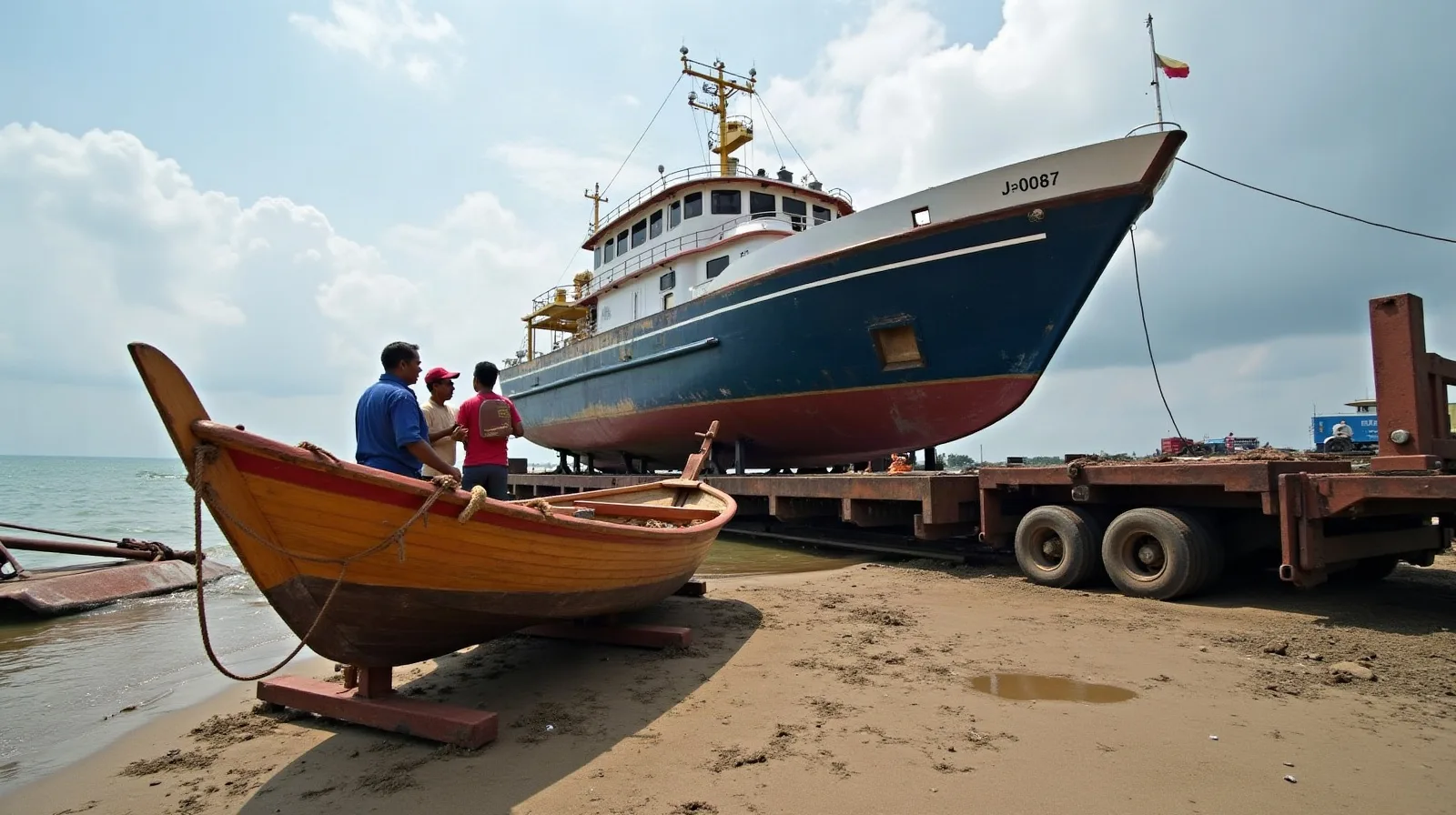
Vessel Size and Dock Options in Southeast Sulawesi
In Southeast Sulawesi, matching vessel size and dock options comes before price: small wooden and fiberglass vessels (below the 30–100 GT range) use Kendari’s coastal slipways; large wooden and light…
-
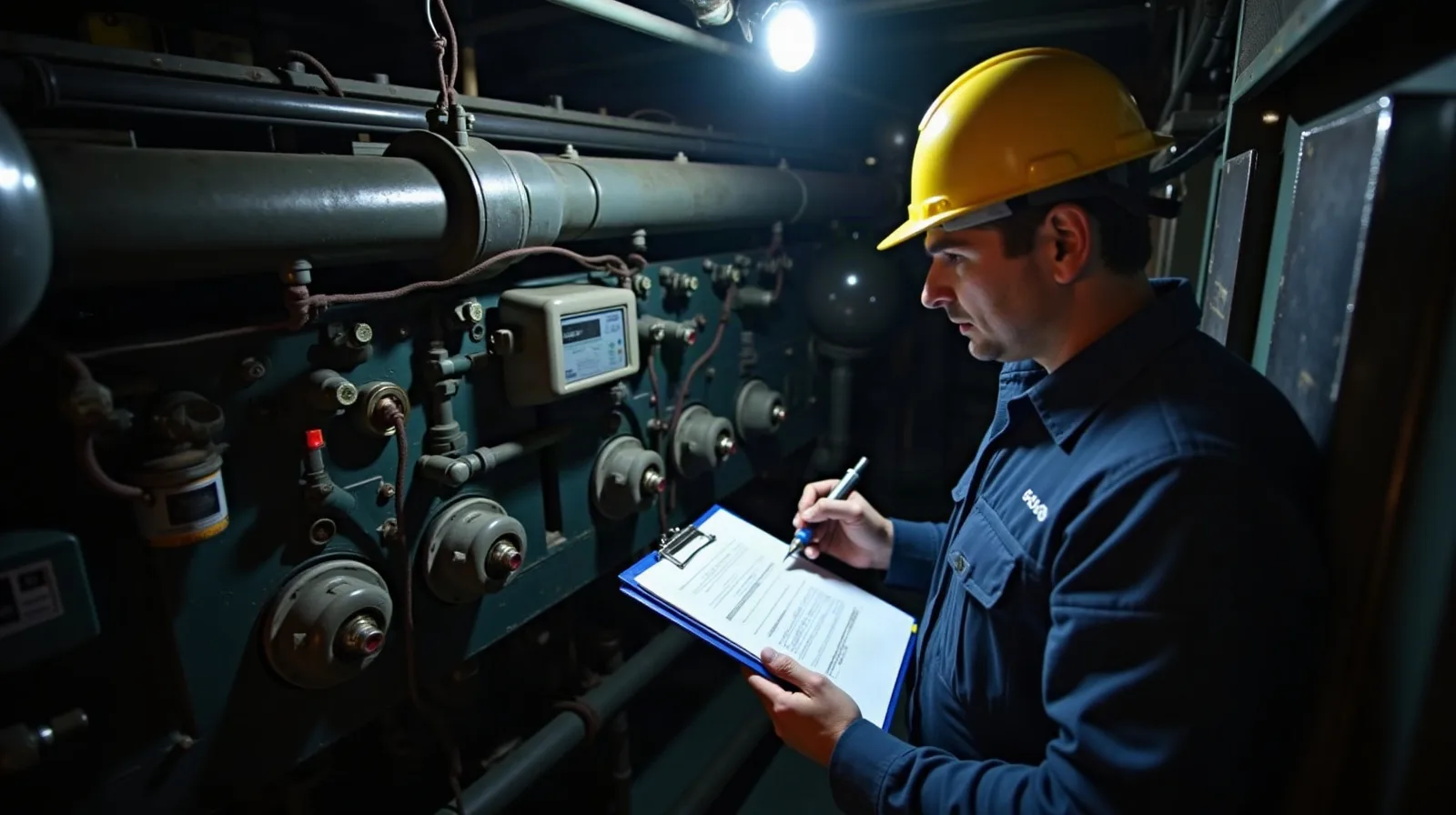
Pre-Docking Inspection Checklist: A Supervisor’s 40 Points
A good pre-docking inspection checklist answers one question: what must be known, prepared and ordered before haul-out, so dock days go to work rather than finding problems and waiting for…
-
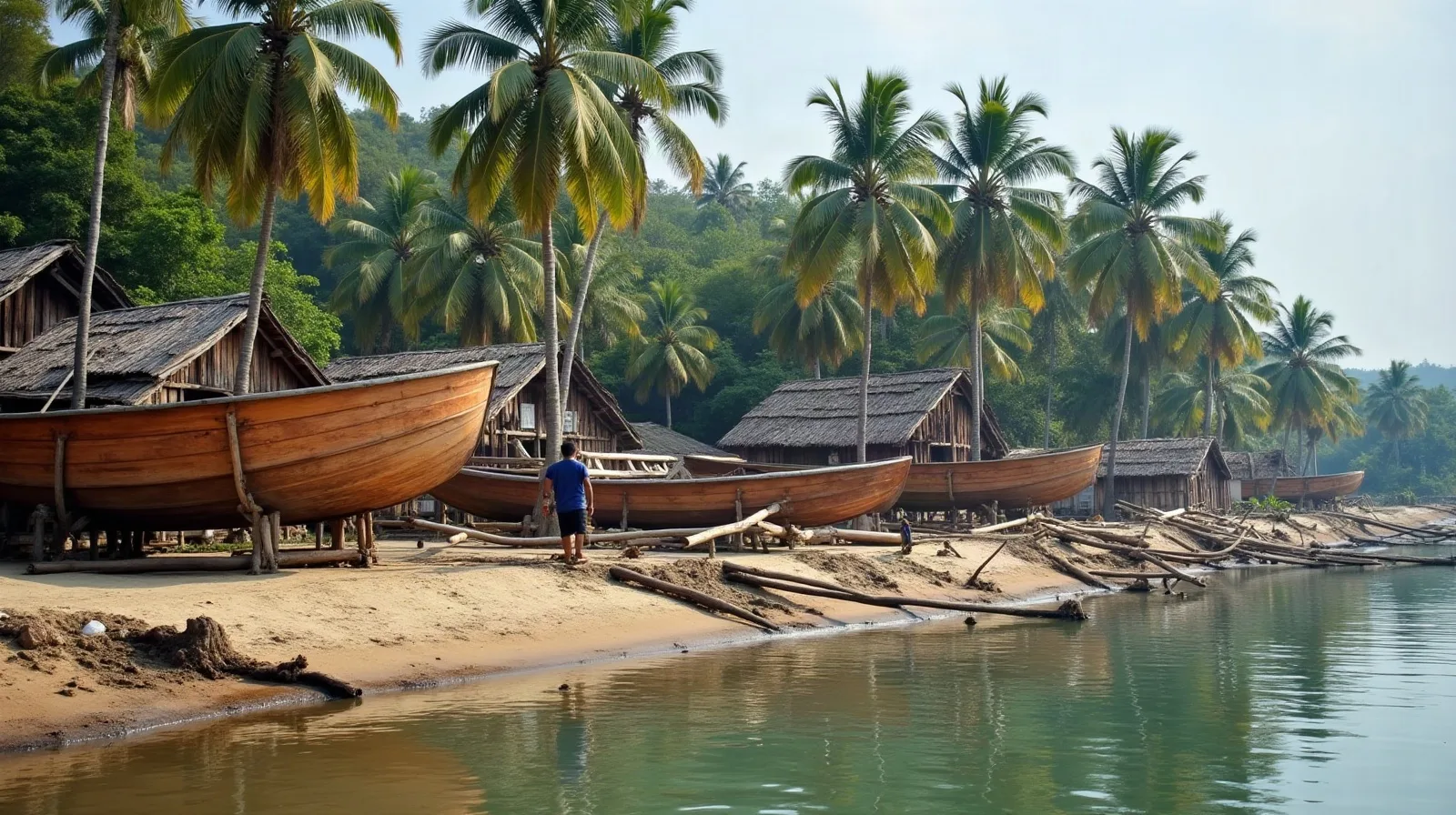
Moramo-Lapuko Shipyard Cluster: Capacity and Services
The Moramo-Lapuko shipyard cluster is the largest concentration of traditional boatyards and marine workshops in Southeast Sulawesi, on the coast of Moramo District and its surroundings in South Konawe Regency,…