
Moramo-Lapuko Shipyard Cluster: Capacity and Services
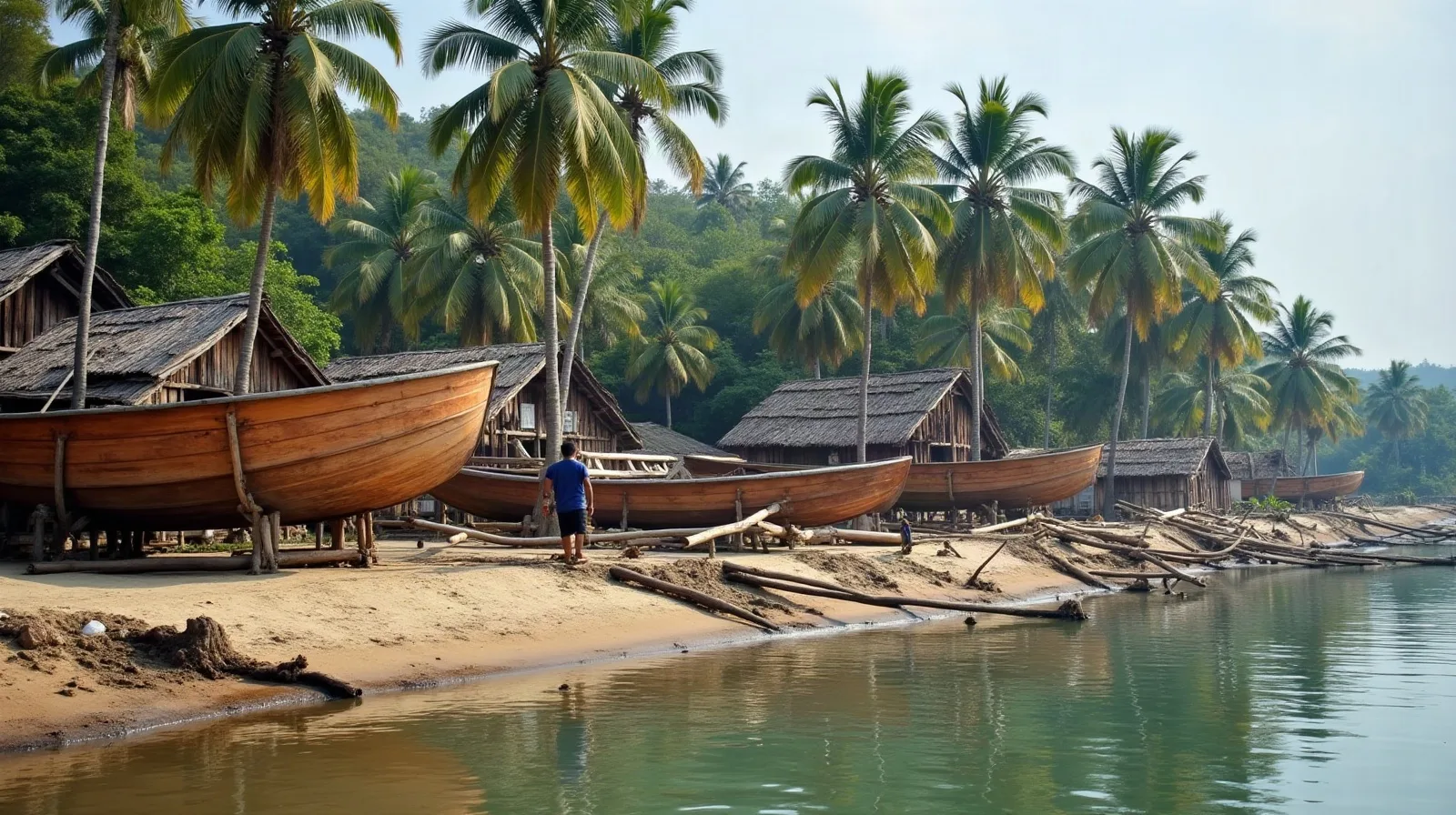
The Moramo-Lapuko shipyard cluster is the largest concentration of traditional boatyards and marine workshops in Southeast Sulawesi, on the coast of Moramo District and its surroundings in South Konawe Regency, roughly one to two hours’ drive from Kendari city. Its core strength is wooden vessel construction and repair; some facilities also handle fiberglass vessels and light steel work.
For owners of small to mid-size vessels in eastern Indonesia, the cluster is one of the most practical options for dry docking without having to mobilize the vessel a long way. Kendari Shipyard Desk works regularly with facilities in this cluster as an independent selection and supervision desk — we do not own any shipyard there. We have written the profile below factually, as the cluster actually is: strong in some areas, limited in others.
Location and character of the area
The Moramo coast faces relatively sheltered waters on the southeastern side of the Southeast Sulawesi peninsula, with gently sloping beaches suited to hauling vessels out. The area grew over generations into a center of traditional boatbuilding: woodworking skills are handed down from one generation of craftsmen to the next, and a supporting ecosystem — timber suppliers, welding shops, engine mechanics — has grown up around it. Its proximity to Kendari gives access to the city’s material supplies, port and airport.
Services available in the cluster
Woodwork (the core strength)
New hull construction, plank replacement and plank inserts, recaulking, and repairs to the keel, stems and frames. For wooden fishing vessels and wooden workboats, almost the entire maintenance cycle can be done here — we describe the full cycle in our article on wooden fishing vessel hull maintenance.
Haul-out
The methods used vary between facilities: simple rail slipways, beach hauling and airbags. Capacity is generally for small to mid-size vessels — as a planning guide, wooden and light-steel vessels up to the range of a few hundred GT, depending on the facility.
Fiberglass and light steel
Some workshops handle fiberglass relamination, gelcoat repair, and thin-plate welding for small steel vessels. For heavy steel work or classed vessels that require certified welding, we direct you to a suitable facility — either in Kendari or by referral outside the area.
Painting
Scraping, primer and antifouling are standard work for every vessel that is hauled out. Quality control of the application — coating thickness, drying times — is one of the points we supervise most strictly.
Capability limits you should know about, honestly
This cluster is not the answer for every vessel. Generally outside its capacity: large steel vessels (class renewal/special surveys on mid-size to large vessels, extensive replating to class requirements), large precision machining work (turning long shafts), and vessels whose draft or weight exceeds the facilities’ hauling capacity. For this class of vessel, our role becomes planning a referral to a large dry dock on the eastern route — the decision map is in our article map of the nearest dry docks from the Banda Sea.
Practical points before bringing your vessel to Moramo–Lapuko
| Item | What to verify |
|---|---|
| Slots and season | Queues lengthen ahead of certain seasons; lock in your slot early |
| Hauling capacity | Condition of the winch, rails/cradle, number & size of airbags vs the vessel’s weight |
| Materials | Availability of timber to specification; order large planks early |
| Work agreement | Written scope per item; avoid lump-sum deals without a breakdown |
| Supervision | Who checks quality daily and accepts the work |
How we work in this cluster
Our model: verify the facility against your vessel’s data, lock in the slot, draw up a written scope, then station supervision throughout the work with daily photo reports — until the vessel is relaunched and the work is accepted. Quotations are presented in USD per item through our contracting entity. The haul-out process itself — blocking plan, tides, relaunch — is explained on our slipway and haul-out in Kendari page, the hull work scope on our hull repair and painting page, and this cluster’s place in the overall map of Southeast Sulawesi facilities in our Kendari shipyard and dry docking guide.
The Moramo–Lapuko yard cluster is a real asset for Southeast Sulawesi: deep woodworking expertise, a sheltered location and reasonable costs. Used for the right vessels with proper supervision, its results stand comparison with any shipyard in its class.
Why this cluster matters to the Southeast Sulawesi maritime economy
Moramo–Lapuko is not just a row of shipyards; it is a hub of skills. In this cluster, the craft of building and repairing wooden vessels survives as a livelihood across generations, supporting shipwrights, caulkers, material suppliers and support services. For Southeast Sulawesi’s fishing fleets and workboats, the cluster means vessels do not have to leave the province for most of their maintenance needs — saving costs that ultimately determine the competitiveness of local fishing businesses and traditional shipping. Maintaining a healthy working relationship with this cluster, including paying fairly for proper quality, is in the long-term interest of every vessel owner in the region.
Work practices that get the most out of the cluster
From our supervision experience, the best results at traditional boatyards come from three habits. First, a written scope per item with photos of the initial condition — verbal agreements are the number one source of disputes, and putting them in writing actually protects both sides. Second, critical materials supplied or verified by the owner: timber of the right species and moisture content, paint matched to the coating system, and bolts that do not trigger mixed-metal corrosion. Third, supervision present at the points that cannot be redone: inspection before planks are closed up, before filler, before paint — because the quality of woodwork is hidden under its final layers. With these three habits, the traditional boatyards of Moramo–Lapuko deliver honest, durable work; without them, at any shipyard in the world, the result is a gamble.
For vessel owners who have never worked with a traditional boatyard, Moramo–Lapuko is the right place to start the right way: arrive with a written scope, verified materials and supervision that is on the vessel’s side. Our desk is ready to be that bridge — from choosing the right facility within the cluster and locking in a slot in the right season through to handover with full documentation. Send us your vessel’s data and requirements; within a few days we will return a facility recommendation with a USD per-item quotation you can compare at your own pace.
FAQ
Where is the Moramo-Lapuko shipyard cluster located?
On the coast of Moramo District and its surroundings, South Konawe Regency, Southeast Sulawesi, about one to two hours’ drive from Kendari city, facing relatively sheltered waters.
What vessels can be worked on in this cluster?
Its core strength is wooden vessels: construction, plank replacement, caulking, keel and stem work. Some facilities handle fiberglass and light steel. Large steel vessels and heavy class work are referred to other facilities.
What should be verified before bringing a vessel to Moramo-Lapuko?
Four things: the slot queue and season, actual hauling capacity (winch, cradle, airbags) against the vessel’s weight, availability of timber to specification, and a written per-item scope agreement plus who supervises daily quality.
Prepared by Kendari Shipyard Desk — specialist maritime brand under Juara Holding Group. Service contracts through PT Komodo Galangan Nusantara. Slot and estimate inquiries: WhatsApp 6281139414563 or bd@juaraholding.com.
Further reading
-
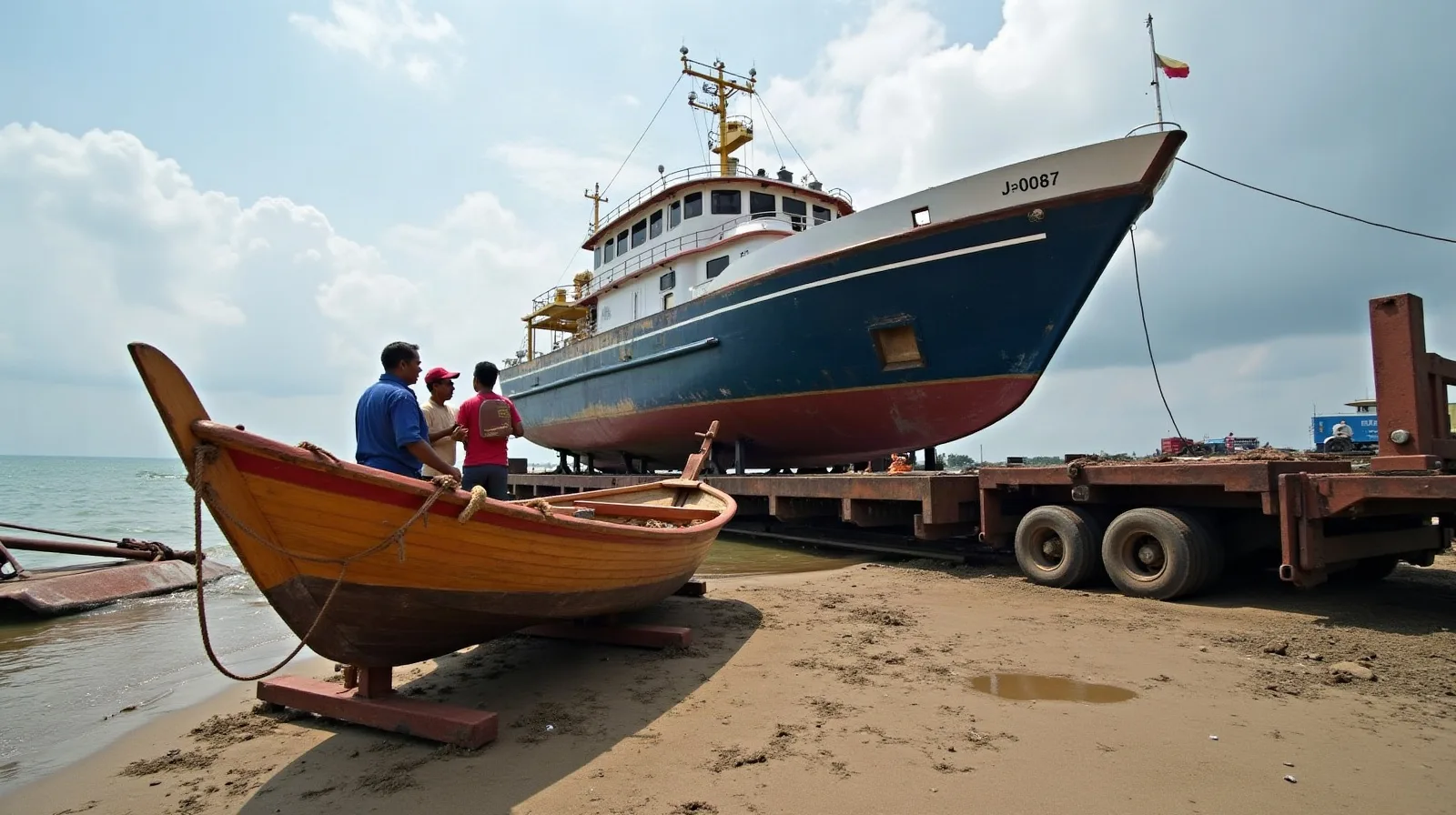
Vessel Size and Dock Options in Southeast Sulawesi
In Southeast Sulawesi, matching vessel size and dock options comes before price: small wooden and fiberglass vessels (below the 30–100 GT range) use Kendari’s coastal slipways; large wooden and light…
-
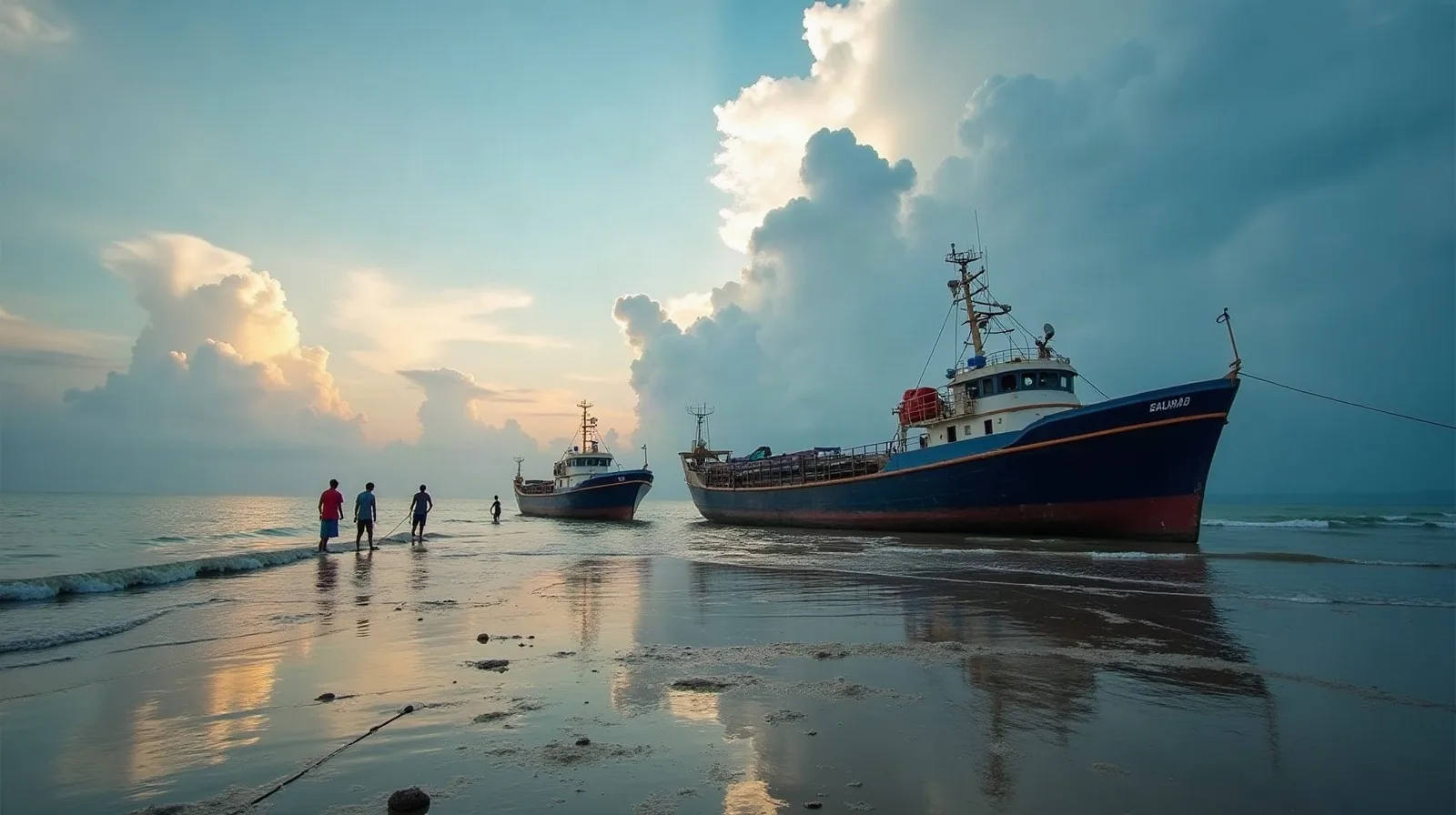
Grounded Vessel: First 24 Hours in Southeast Sulawesi Waters
For a grounded vessel, or one that is leaking, the first 24 hours follow an order of priorities that must never be reversed: save people → stop the water →…
-
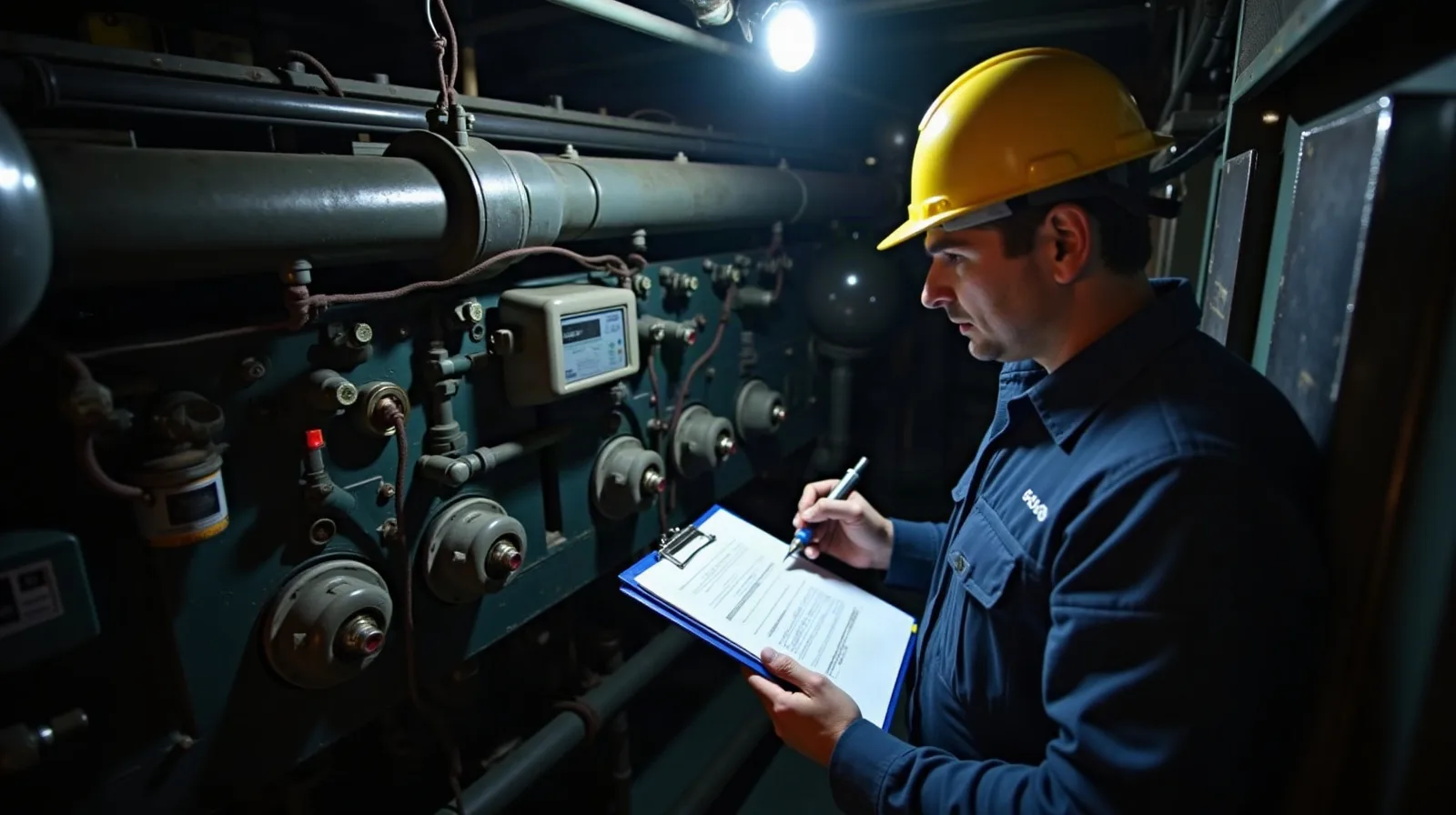
Pre-Docking Inspection Checklist: A Supervisor’s 40 Points
A good pre-docking inspection checklist answers one question: what must be known, prepared and ordered before haul-out, so dock days go to work rather than finding problems and waiting for…