
Eastern Indonesia Fleet Support
Kendari Bay Entry and Berthing: Draft & Port Guide
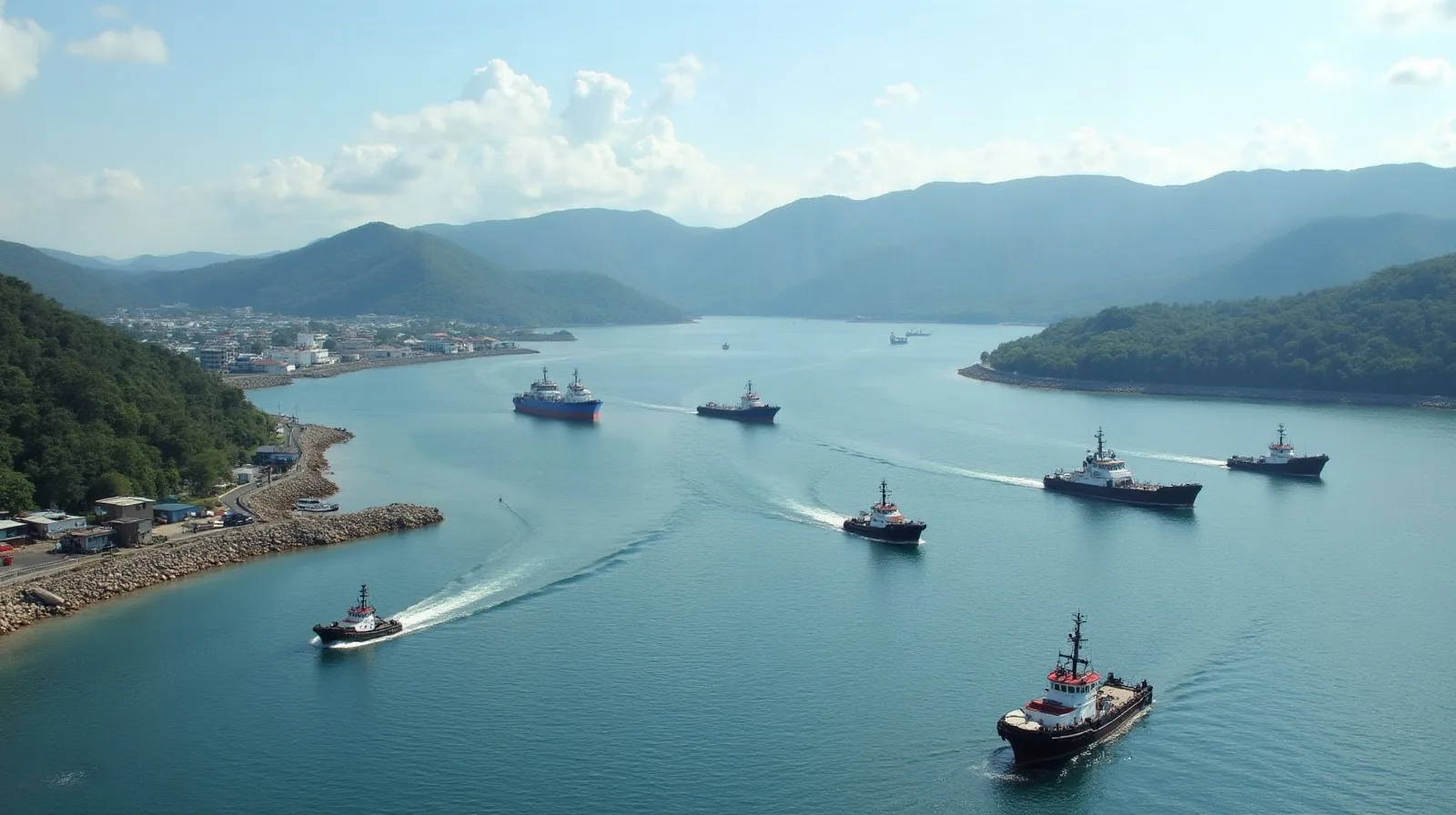
Kendari Bay is among Southeast Sulawesi’s most sheltered waters: a long bay whose narrow mouth damps open-sea swell, safe for berthing and anchoring almost year-round. For Kendari Bay entry and berthing, first-time masters of workboats, fishing and tourism vessels need three things: the narrow entrance, the old inner port versus outer Bungkutoko Port, and depths shoaling toward the inner bay.
This guide was compiled by Kendari Shipyard Desk as a general orientation. It is not an official navigational publication — for navigation, always use the latest nautical charts, tide information and the instructions of the Kendari KSOP (Port Authority and Harbor Master Office).
The bay’s geography in brief
The city of Kendari wraps around the bay on its northern and southern shores. The mouth of the bay faces east, toward the Banda Sea; once past the mouth, the water is immediately calm. The inner bay is naturally silting up from the rivers that flow into it — which is why larger vessels are now served at facilities on the outer side, while the inner bay serves smaller vessels.
Main facilities and their roles
Bungkutoko Port (Kendari New Port)
Located around Bungkutoko Island near the mouth of the bay, this area has been developed as the main container and cargo port with deeper access, taking over the old port’s role for large vessels.
The old port inside the bay
The port area inside the bay serves inter-island passenger vessels, pioneer-route vessels and smaller cargo vessels. Depth is more limited — masters need to watch their draft, especially at low tide.
PPS Kendari (Kendari Ocean Fishing Port)
The Kendari Ocean Fishing Port is the largest fishing fleet base in the region, with fish landing, fishing vessel dry docking and supporting processing plants. Most of the Southeast Sulawesi purse seine fleet is based here — we cover that fleet’s profile in our article damage patterns in the Southeast Sulawesi purse seine fleet.
Other berthing and mooring points
Along the shores of the bay there are small jetties, workboat mooring areas, and slipways and boat workshops handling light maintenance. A full map of repair facilities in Kendari and Southeast Sulawesi is in our Kendari shipyard & dry docking guide.
Practical notes on entry and berthing
Entrance channel
The mouth of the bay is relatively narrow, with mixed traffic: cargo vessels, fishing vessels moving in and out of PPS Kendari, passenger vessels and small boats. Keep a safe speed, post a lookout, and watch for fish aggregating devices (FADs) and fishing gear around the outer approach.
Depths and tides
The tidal range in this area is generally about one to two meters. For deep-draft vessels, plan entry to and exit from the inner bay around high water; outer facilities such as Bungkutoko are more tolerant of draft.
Weather
The bay’s shelter is excellent, but its outer approach remains open to the east — in the east monsoon season, the swell outside the mouth can be significant even while it stays calm inside. We describe the region’s seasonal windows in our fleet docking calendar article.
Port clearance
Arrivals and departures of commercial vessels are handled through KSOP Kendari and port agents; fishing vessels go through the fishing port authority. Make sure the vessel’s documents are complete and current before arrival — the checklist is in our small commercial vessel documents article.
Why this bay matters for eastern-route fleets
For vessels operating in Wakatobi, the Banda Sea and along the southeastern coast of Sulawesi, Kendari Bay is a combination rarely found in the eastern region: sheltered water for long stays, a large city with material supplies and an airport, plus access to repair facilities. That is why many operators make Kendari their fleet’s technical base — a role we fully support through our Wakatobi & Banda fleet support service.
The economic context — why workboat and barge traffic in Southeast Sulawesi waters keeps growing — is covered in our article Southeast Sulawesi maritime economy: nickel, fish & dry docking demand. And if your vessel plans to call for repairs, our desk can verify the facility, lock in the slot and prepare a USD quotation before the vessel arrives — so your time alongside in the bay is genuinely productive.
City logistics you can rely on from the bay
Kendari’s most noticeable advantage for visiting vessels is not just its calm water but what can be reached within an hour of the jetty: basic provisions and fresh water for stores, diesel through official channels, machining and welding workshops in town, spare parts and electrical shops, hospitals, and Haluoleo Airport for crew rotation or flying in technicians from elsewhere. For vessels operating for months in the Wakatobi and Banda areas, where logistics are limited, being able to settle many matters in a single port call is the main reason to make this bay the fleet’s technical point.
Planning an efficient port call
Practical advice from the pattern of vessels we serve: combine your agenda into one visit — provisioning, light afloat repairs, crew change and document handling — rather than several short visits that each pay the transit time from the operating area. Send your list of needs before the vessel departs so materials and technicians are ready when it berths; a well-planned two- to three-day call can finish work that, without preparation, takes a week. For work that requires a haul-out, verify the slot before leaving the operating area — don’t let the vessel arrive in the bay only to wait in a queue. This is exactly the kind of coordination our desk does every week: vessels come in with a plan, leave with the work done, and every hour alongside pays for itself.
For masters and owners planning a first call, our closing advice is simple: get in touch first, arrive with a plan. Send your vessel details, provisioning needs and the list of work you want done before leaving the operating area; we will verify readiness and put together a call schedule that makes the most of your time. Kendari Bay already offers calm water, a well-supplied city and growing facilities — all that remains is to use them in a planned way, so every call your vessel makes here returns more value than it costs.
FAQ
What is the difference between Bungkutoko Port and Kendari’s old port?
Bungkutoko, near the mouth of the bay, has been developed as the main container and cargo port with deeper access; the old port area inside the bay serves inter-island passenger vessels and smaller cargo vessels with limited draft.
How sheltered is Kendari Bay for long stays?
Very sheltered: a long bay with a narrow mouth that damps open-sea swell, calm almost all year round. What still needs watching is the outer approach to the mouth in the east monsoon season.
Where do fishing vessels haul out around Kendari Bay?
On the coastal slipways of the bay for small vessels, and in the Moramo–Lapuko yard cluster in South Konawe for larger timber work. The PPS Kendari fleet uses both, depending on vessel size and scope.
Compiled by Kendari Shipyard Desk — specialist maritime brand under Juara Holding Group. Service contracts through PT Komodo Galangan Nusantara. Slot and estimate inquiries: WhatsApp 6281139414563 or bd@juaraholding.com.
Further reading
-
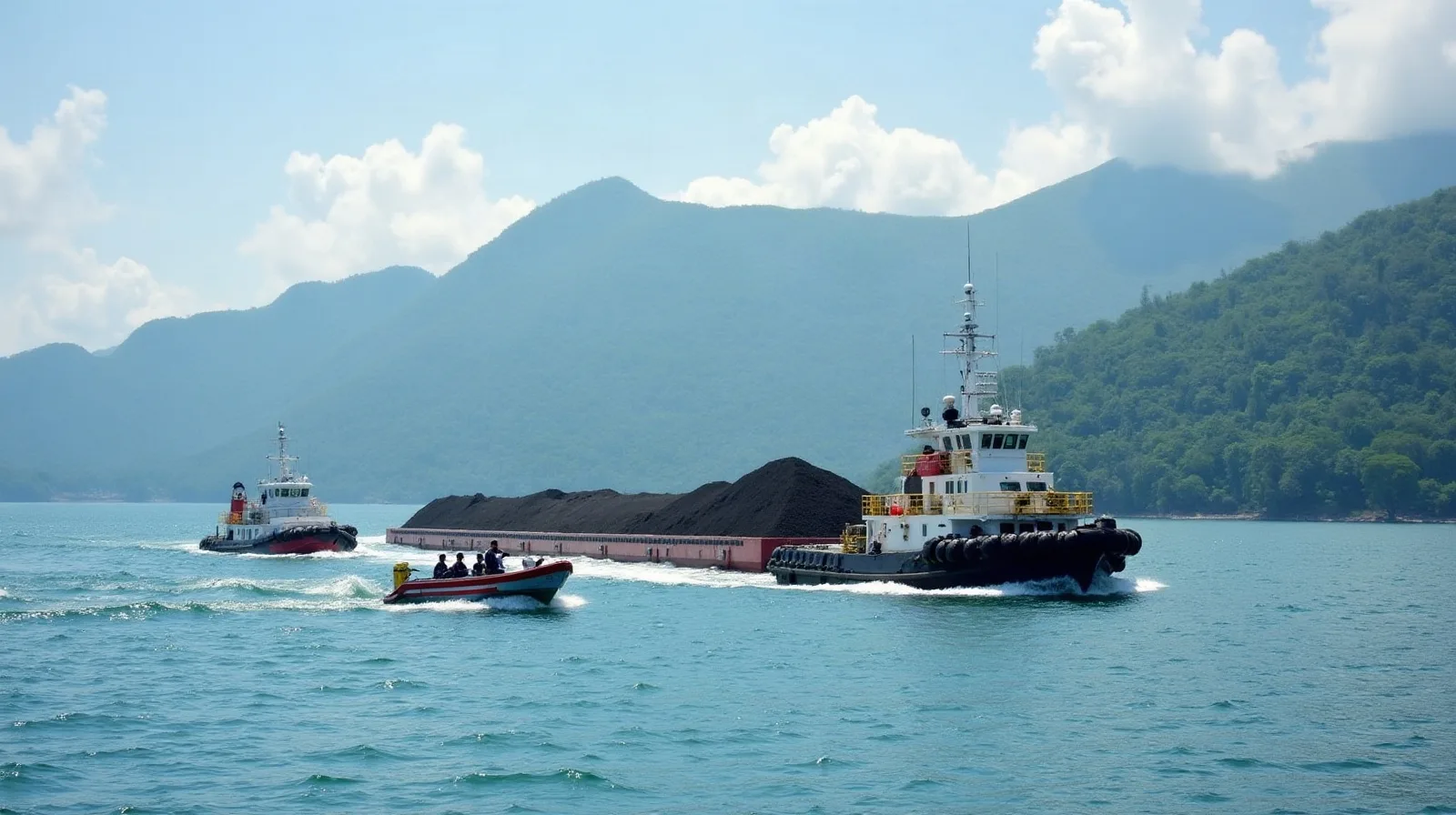
Southeast Sulawesi Maritime Economy: Nickel, Fish and Docks
The Southeast Sulawesi maritime economy runs on two big engines: the nickel industry, which drives thousands of barge and workboat voyages, and fisheries, with a fleet base at the Kendari…
-
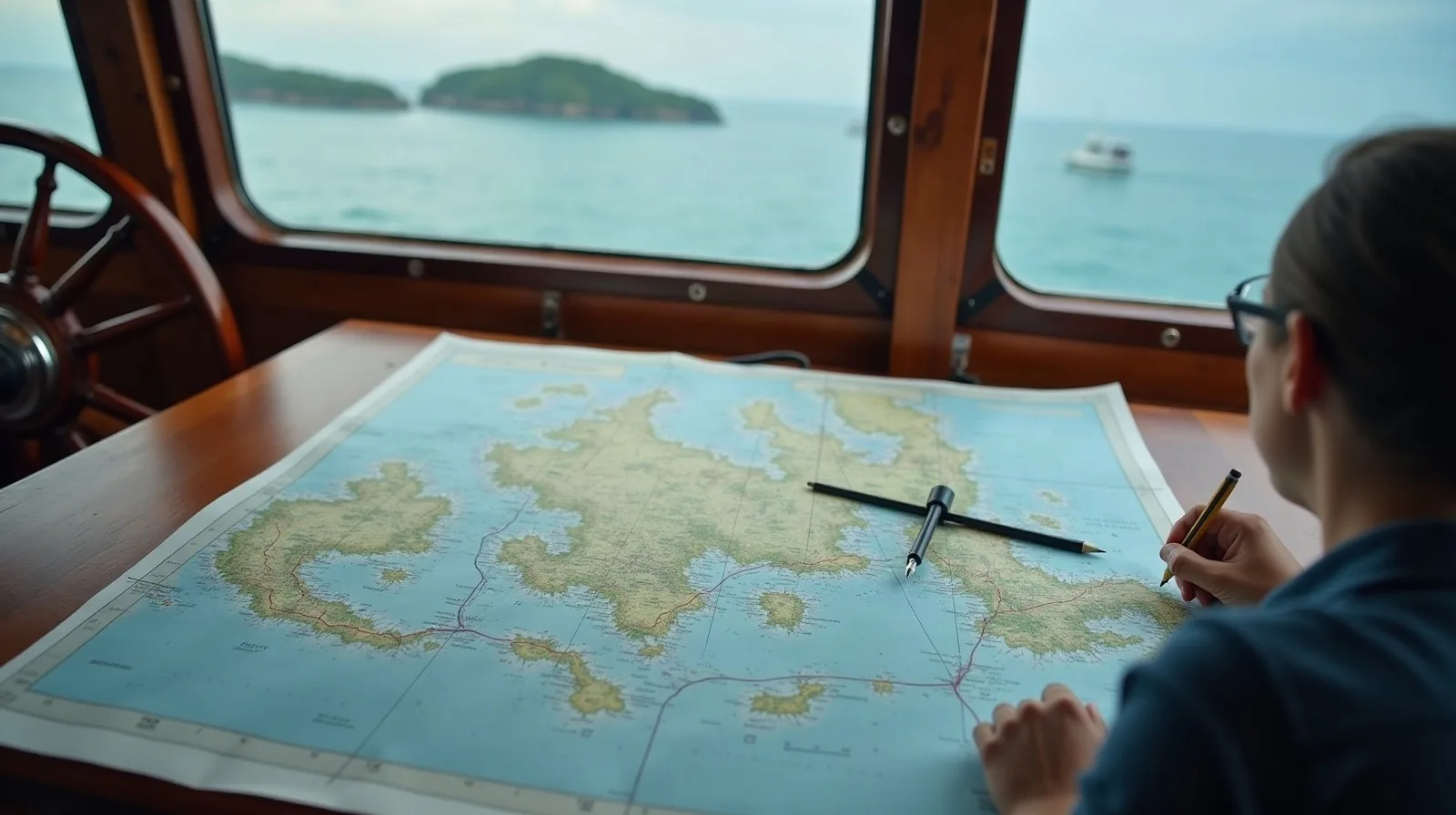
Nearest Dry Dock from the Banda Sea: Eastern Route Map
The nearest dry dock from the Banda Sea, Wakatobi or the Buton coast depends on vessel size: small-to-medium wooden and fiberglass vessels have the closest options in Southeast Sulawesi (Kendari…
-
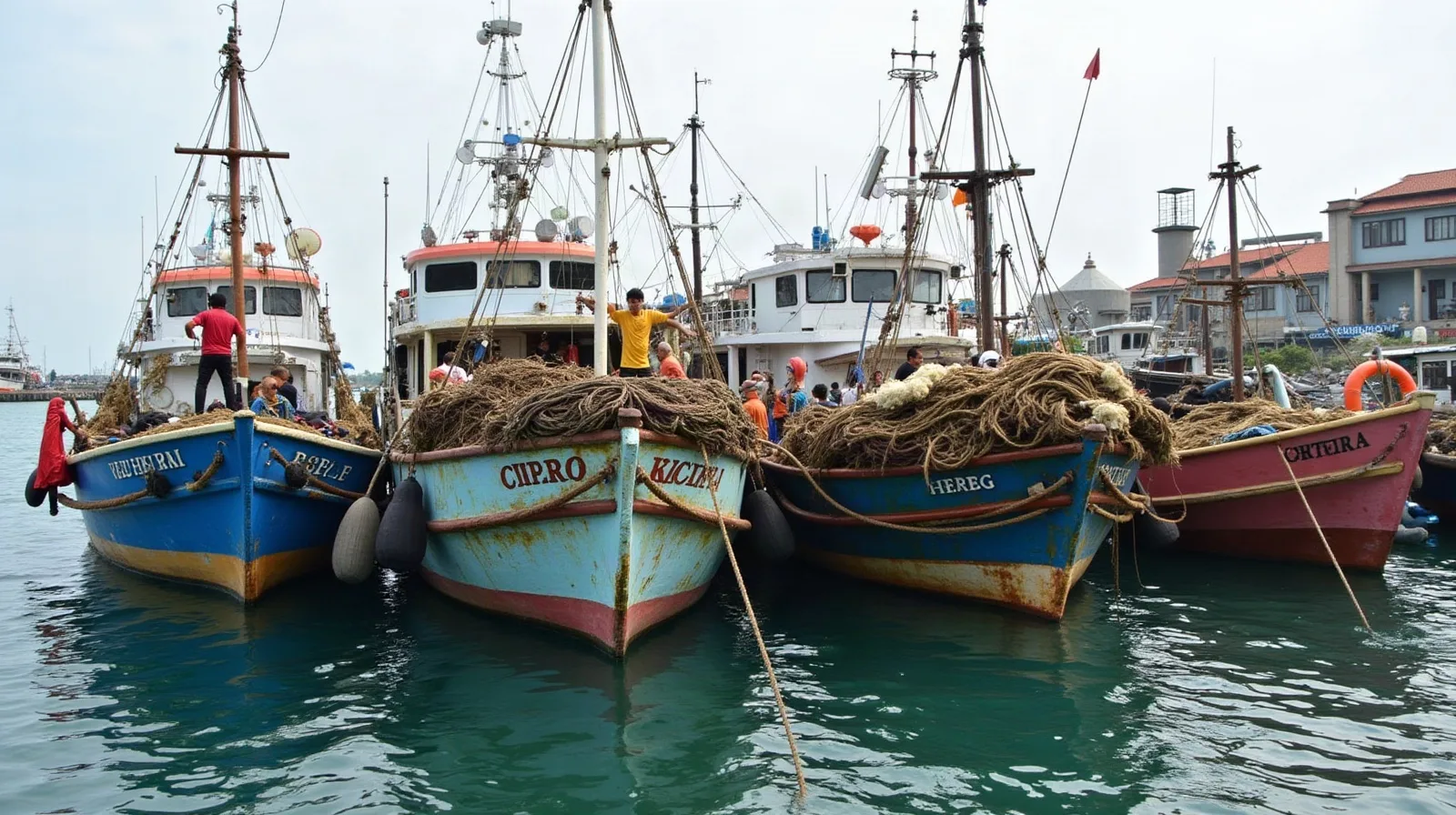
Purse Seine Fleet Maintenance: Seasonal Damage Patterns
Purse seine fleet maintenance in Southeast Sulawesi can follow a near-calendar damage pattern: engine and winch failures peak mid-season when vessels work flat out, hull damage and leaks surface at…