
Eastern Indonesia Fleet Support
Purse Seine Fleet Maintenance: Seasonal Damage Patterns
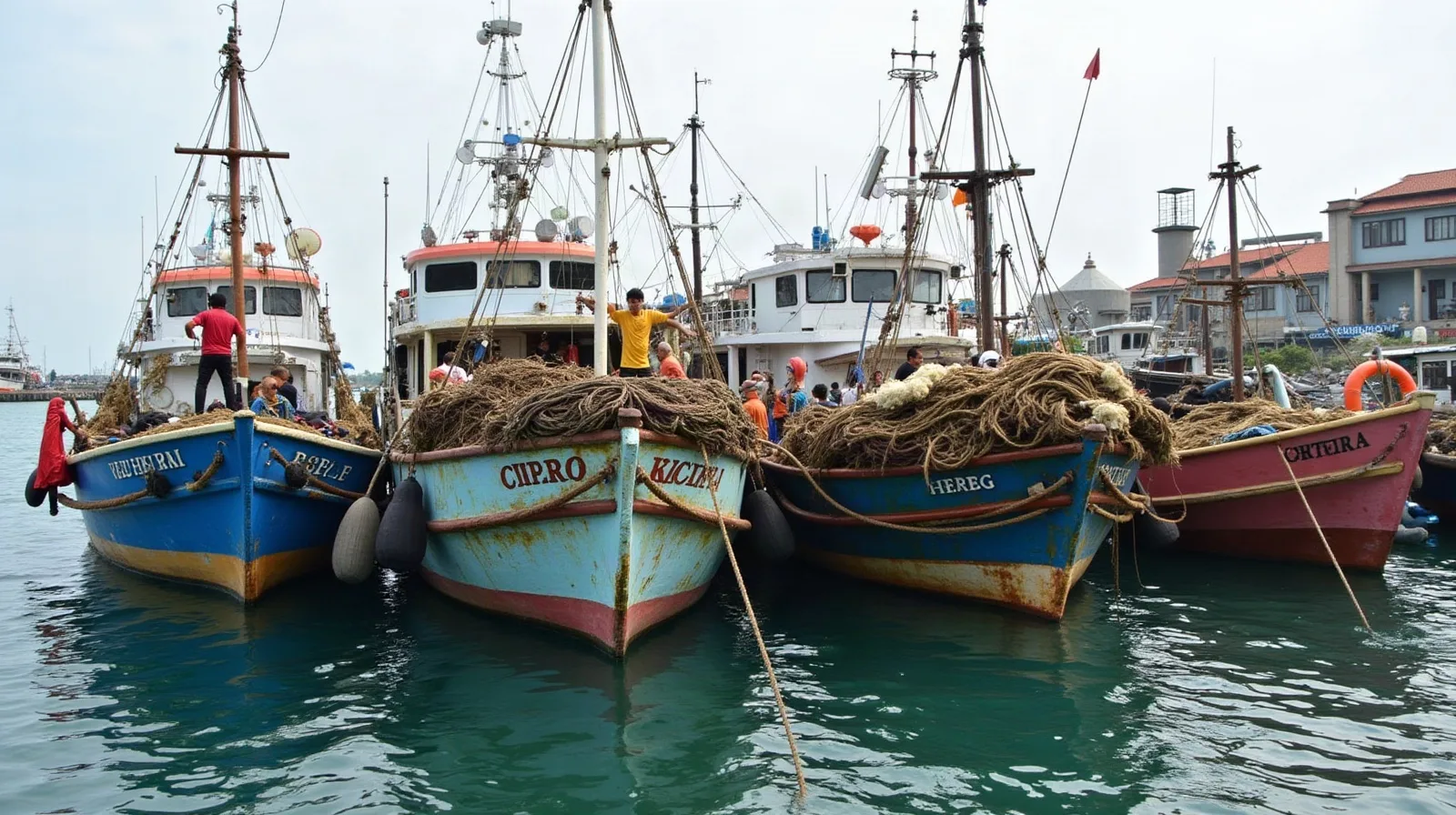
Purse seine fleet maintenance in Southeast Sulawesi can follow a near-calendar damage pattern: engine and winch failures peak mid-season when vessels work flat out, hull damage and leaks surface at the post-season haul-out, and net and gear damage tracks daily setting intensity. Operators who understand this can reverse the order: repair before the season, not after breakdowns.
Kendari Shipyard Desk compiled these notes from the patterns of fishing vessel work we coordinate at facilities around PPS Kendari (Kendari Ocean Fishing Port) and the Moramo–Lapuko yard cluster, where most of the Southeast Sulawesi purse seine fleet carries out its maintenance.
The operating rhythm that shapes the damage pattern
Purse seiners work to two rhythms: the fishing season and the phase of the moon. During the dark-moon period, vessels with fish-attracting lights operate intensively night after night; around the full moon, many vessels pause or cut back their trips. This full-moon pause is the natural maintenance window most often used for quick jobs — and it is often wasted because it is not planned. Meanwhile, the end of the peak season is the window for major annual work.
The four damage groups we see most often
1. Main and auxiliary engines
The load pattern is heavy: circling maneuvers while setting the net, then racing between fishing grounds, plus auxiliary engines powering the lights all night. The complaints that pile up at the peak of the season: overheating from fouled cooling systems, falling oil pressure, and weak starters and batteries from tightly spaced start cycles. High-hour vessels that postpone their overhaul usually break down in the most productive month of all — the guide to making that decision is in our article top overhaul vs major overhaul.
2. Winches, power blocks and hydraulics
The net hauler is the heart of purse seine productivity. Burst hydraulic hoses, leaking seals and worn wire are typical peak-season failures — all cheap to prevent with scheduled replacement, and extremely expensive if they cut a trip short in the middle of a school of fish.
3. Hull and structure
Most of the fleet still has wooden hulls: weeping caulking, planks worn in the berthing areas (purse seiners often come alongside light boats or each other roughly), and shipworm attack on vessels whose antifouling is overdue. The port and starboard bows and the area where the net is landed usually take the worst beating. We have written up the full maintenance cycle in our article on wooden fishing vessel hull maintenance.
4. Electrical systems and lights
High-power fish-attracting light installations added piecemeal from year to year often result in a vulnerable mixed system: undersized cables, makeshift connections, and current leakage to the hull that accelerates corrosion of metal fittings. This is not just about lights failing — the electrochemical effect slowly damages the vessel.
A maintenance calendar that follows the seasons instead of fighting them
| Period | Maintenance focus |
|---|---|
| Ahead of the peak season | Full engine & hydraulic service, replace critical hoses/seals, check batteries and starters, haul out if due |
| Peak season — full-moon pause | Quick 2–5-day jobs: cooling system, injectors, wire, net mending, check the shaft packing |
| End of the season | Annual dry docking: hull, caulking, antifouling, anodes, postponed overhauls |
| Off-season | Planned major repairs, electrical overhaul, document renewals |
The principle is simple: major work must never clash with the money months. How to rotate several vessels at once — so that no two key vessels are out of service at the same time — is covered in our article on building a fleet docking calendar.
From pattern to contract
For owners of more than two vessels, this seasonal pattern is most efficiently managed as an annual maintenance contract: each vessel’s docking schedule is locked in advance, routine materials (paint, anodes, planking, hydraulic hoses) are procured once for the whole fleet, and one supervisor holds the technical history of every vessel. The result is not only a lower cost per vessel but also breakdown days that all but disappear. We explain the scheme on our fleet maintenance contracts page, and the haul-out process on our slipway and haul-out in Kendari page.
A healthy purse seine fleet is not a fleet without breakdowns — there is no such thing. A healthy fleet is one whose breakdowns happen on the planning sheet, in the month its owner chooses, at a USD cost that has already been budgeted. The seasonal pattern is already known; all that remains is to use it.
Simple data that turns patterns into decisions
Seasonal patterns only become useful when they are backed by the vessel’s own records. Three records we ask every vessel to start keeping with discipline: a daily engine running-hours log (main and auxiliary), a breakdown log with dates and components, and a fuel consumption log per trip. Within six months, these three data sets already show which components fail repeatedly, whether fuel consumption is creeping up (a sign of a fouled hull or a declining engine), and when the real workload peaks. Fleets that hold data like this negotiate with shipyards knowing exactly what they need — instead of accepting whatever diagnosis is put in front of them. The log forms are simple, one page per month per vessel; our desk provides them free of charge to the fleets we support.
Sharing schedules between owners: the strength of small fleets
One practice that is starting to grow among Southeast Sulawesi vessel owners, and deserves to spread further: owners with two or three vessels coordinate their docking schedules with one another so they do not compete for slots in the same post-season week. Slipway facilities in this area are limited; when dozens of vessels want to haul out at the same time, queues lengthen and owners’ bargaining power drops. A group of owners that spreads its schedule — some at the start of the seasonal pause, some in the middle, some at the end — all get more certain slots, healthier prices, and work that is not rushed. Coordination like this also opens the way to joint material procurement: paint, anodes and timber bought for five vessels at once are almost always cheaper per vessel. At this point, the line between “one fleet’s calendar” and “the area’s calendar” starts to blur — and everyone benefits.
We close with one sentence we share with the most successful fishing vessel owners in this area: the fishing season cannot be controlled, but vessel readiness can. The seasonal damage patterns in this article are not a prophecy — they are a homework list whose dates you can choose yourself. Fleets that do the work before the season are out catching fish while other vessels queue at the workshop; and the difference, season after season, is the difference between a fishing business that grows and one that stands still. Our desk is ready to help you turn it into a concrete schedule and USD budget.
FAQ
When is the best time for a purse seiner to haul out?
Annual dry docking makes most sense at the end of the peak fishing season, while quick 2–5-day jobs use the full-moon pause when many vessels do not go to sea. Major work should never clash with the productive months.
What breakdowns happen most often at the peak of the season?
Engines overheating from fouled cooling systems, burst winch hydraulic hoses and seals, weak batteries and starters from tightly spaced start cycles, and worn wire. Almost all of them are cheap to prevent with a pre-season service.
Why do fish-attracting light installations often damage vessels slowly?
High-power installations added piecemeal often result in undersized cables and current leakage to the hull; the electrochemical effect accelerates corrosion of underwater metal fittings.
Prepared by Kendari Shipyard Desk — specialist maritime brand under Juara Holding Group. Service contracts through PT Komodo Galangan Nusantara. Slot and estimate inquiries: WhatsApp 6281139414563 or bd@juaraholding.com.
Further reading
-
Southeast Sulawesi Maritime Economy: Nickel, Fish and Docks
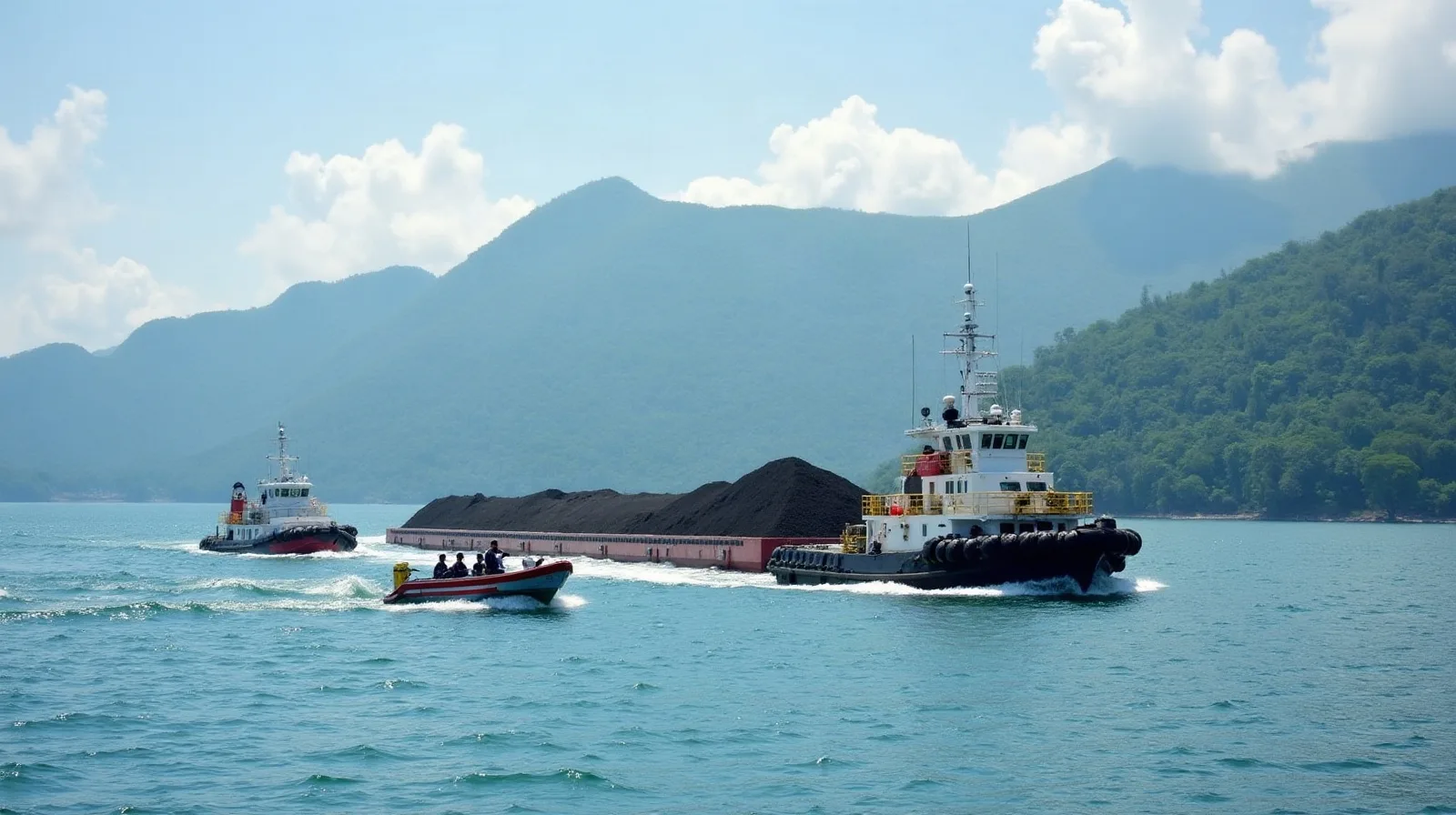
The Southeast Sulawesi maritime economy runs on two big engines: the nickel industry, which drives thousands of barge and workboat voyages, and fisheries, with a fleet base at the Kendari…
-

Nearest Dry Dock from the Banda Sea: Eastern Route Map
The nearest dry dock from the Banda Sea, Wakatobi or the Buton coast depends on vessel size: small-to-medium wooden and fiberglass vessels have the closest options in Southeast Sulawesi (Kendari…
-
Kendari Bay Entry and Berthing: Draft & Port Guide
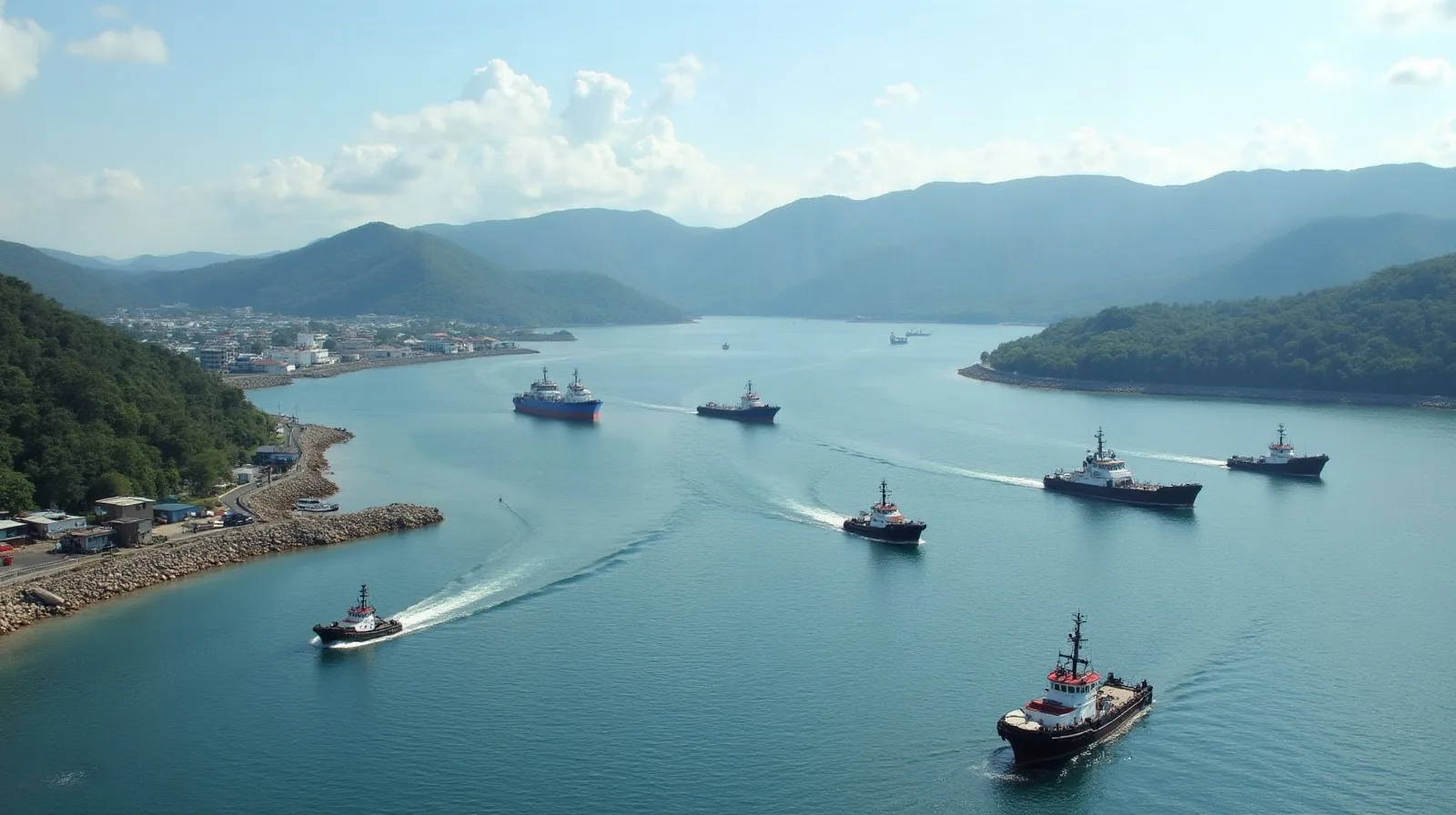
Kendari Bay is among Southeast Sulawesi’s most sheltered waters: a long bay whose narrow mouth damps open-sea swell, safe for berthing and anchoring almost year-round. For Kendari Bay entry and…