
Realistic Antifouling Interval for the Banda Sea
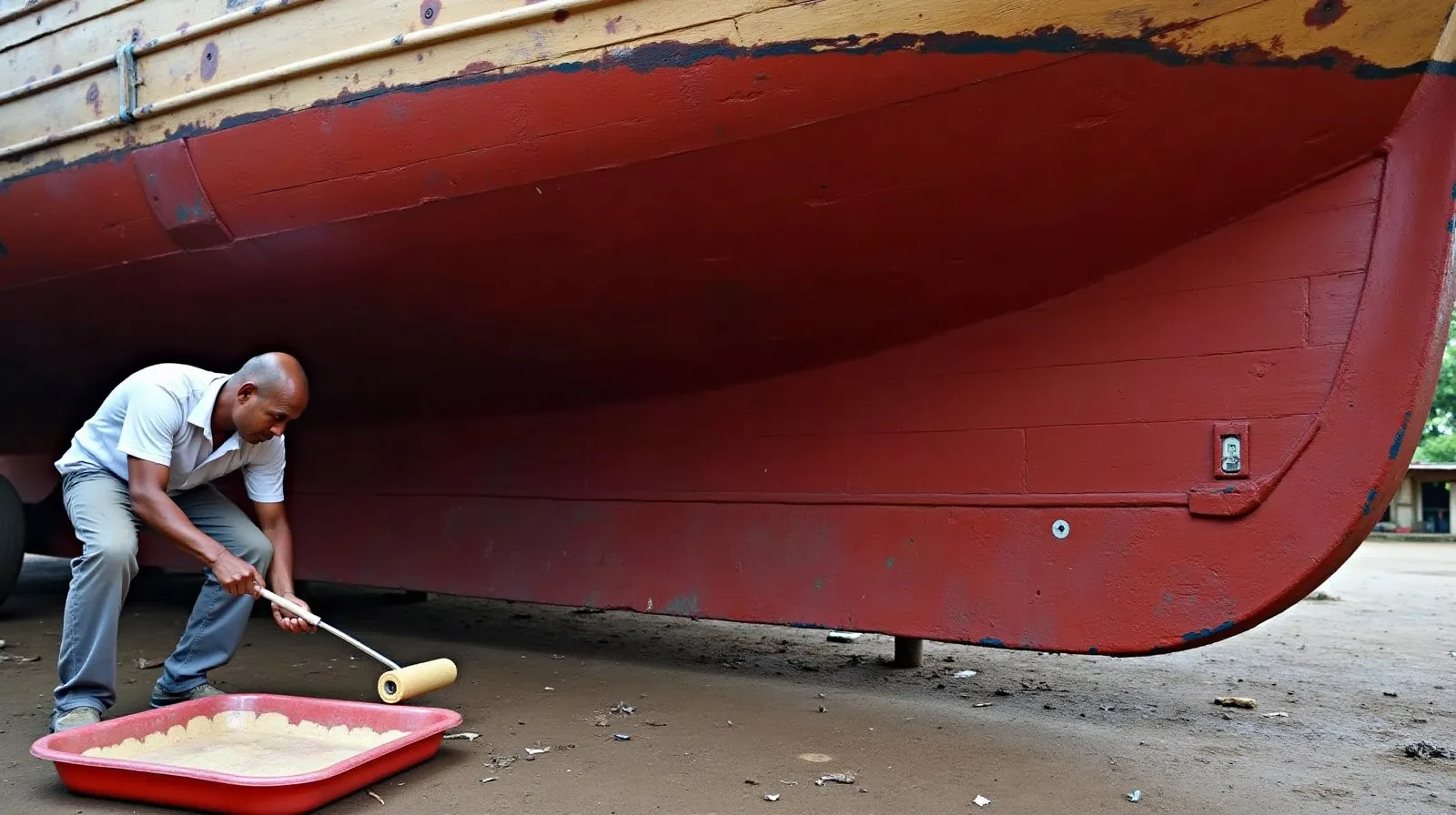
In the warm waters of eastern Indonesia, including the Banda Sea and around Wakatobi, antifouling works harder than almost anywhere else: year-round warmth makes barnacles, algae and shipworm grow fast, so the real antifouling interval is shorter than brochures claim. Plan to repaint an active vessel every 12 months, and don’t expect more than 18 months, even with mid-to-upper-grade paint.
Kendari Shipyard Desk put this guide together to help owners choose a paint system and an interval that are realistic, not the ones printed on the can.
Why fouling is faster in the warm eastern seas
Three factors work at once. First, sea surface temperatures in this region are high and stable, so fouling organisms grow all year with no winter break. Second, many vessels here spend long periods alongside or at anchor — and fouling is most aggressive precisely when a vessel is idle, because ablative paint needs water flow to shed its surface. Third, nutrient-rich coastal waters (around ports, river mouths and aquaculture areas) speed up algae growth. Tourism vessels sitting alongside waiting for guests in warm water are the fastest fouling scenario of all.
Antifouling types and where they fit
Ablative / self-polishing
The paint film wears away slowly as the vessel moves, always exposing a fresh biocide surface. Suits vessels that sail regularly — fishing vessels that go out every week, daily passenger vessels. Less effective for vessels that sit idle for long periods.
Hard antifouling
A hard film with a slowly dissolving biocide. More resistant to abrasion — suits fast vessels, vessels often beached, or hulls cleaned regularly by divers. The spent film builds up and needs to be scraped off completely after a few cycles.
Considerations for wooden vessels
On a wooden vessel, antifouling is not just about speed — it is the main defense against shipworm boring into the planking. That is why coating thickness and integrity matter more than the brand: areas scratched while grounding or lying alongside must be touched up immediately. We cover the full maintenance cycle in our article wooden fishing vessel hull maintenance.
Realistic intervals by operating profile
| Vessel profile | Realistic antifouling interval | Notes |
|---|---|---|
| Active fishing vessel (regular trips) | 10–14 months | Ablative works well; check grounding areas |
| Dive boat / Wakatobi–Banda charter | 12 months | Lots of idle time; consider diver cleaning between dockings |
| Workboat / tugboat | 12–18 months | Hard antifouling for vessels that often touch bottom |
| Rarely used vessel | Fastest fouling | Idle = the enemy; schedule regular cleaning |
The intervals above are planning guidance based on patterns we see in the field; actual conditions differ for each vessel depending on its operating area and the quality of the previous paint application.
Application decides half of a coating’s life
Expensive paint applied badly loses to mid-range paint applied properly. Four things we check on every painting job we supervise: a clean, dry surface before primer; primer/sealer that matches the system (don’t mix brands between coats without compatibility data); wet film thickness per coat measured, not guessed; and paint fully cured before the vessel is refloated. The time between the last coat and launch is often sacrificed to catch up on schedule — yet it is exactly what determines the adhesion of the whole system. Surface preparation and painting details are on our hull repair & vessel painting in Kendari page.
Scheduling painting without disrupting the operating season
Because the effective interval is about a year, antifouling is best locked into the fleet calendar: done in the low season and combined with other dock work so dock days are used efficiently. How to build that calendar is in our article building a dry-docking calendar for Wakatobi & Banda fleets.
For a cost picture: underwater painting usually consists of washing and scraping, primer and 2–3 coats of antifouling, priced per square meter of wetted surface. USD bands per vessel size class are in our Kendari docking cost guide — and our desk always presents an itemized quotation, so you know exactly how much you pay for paint and how much for labor.
Cleaning between dockings: extending coating life
In warm seas, diver hull cleaning between two dockings is a legitimate tool — when it is done properly. The rules: use soft tools (pads, soft brushes) only to remove slime and young fouling, never wire brushes that strip away the biocide layer. For ablative paint, aggressive cleaning actually shortens paint life; hard antifouling tolerates more. The best time is while fouling is still at the slime and young-algae stage, before barnacles harden — once mature barnacles are attached, removing them will almost certainly damage the paint down to the primer. Tourism vessels that spend a lot of time idle should schedule light cleaning every 2–3 months in the busy season; the cost is small compared with lost speed and higher fuel consumption from a dirty hull.
Fouling and fuel: the calculation that rarely gets made
A dirty hull is an invisible fuel leak. A slime layer alone already adds resistance; dense barnacle growth can raise fuel consumption dramatically at the same speed — or cut speed at the same RPM. For a vessel running hundreds of hours a month, a consumption difference of just a few percent already exceeds the entire year’s antifouling cost. That is why decisions that look economical — postponing painting by six months, choosing the cheapest paint without data, skipping cleaning — almost always cost more at the diesel pump. When building the annual docking budget, treat antifouling not as a cosmetic cost but as an investment in fuel efficiency; seen that way, the application quality we supervise so strictly makes business sense, not just a tidy finish.
A closing point worth stressing: there is no magic paint for warm seas — there is the right system, correct application and an honest interval. All three can be planned, budgeted in USD and checked every time the vessel is hauled out. Keep a record of every paint job on your vessel: paint brand and type, number of coats, date, and hull condition at the next haul-out. Within two cycles, that simple data will tell you for certain which system really works for your vessel’s operating pattern — knowledge no brochure can sell you.
FAQ
How long does antifouling last in the Banda Sea and Wakatobi?
Plan to repaint every 12 months and don’t expect more than 18 months. Warm seas all year round let barnacles and algae grow without a break, much faster than brochures assume.
Ablative or hard antifouling for my vessel?
Ablative for vessels that sail regularly, because the coating wears away as the vessel moves; hard antifouling for fast vessels, vessels often beached, or vessels whose hulls are cleaned regularly by divers.
Why does a rarely used vessel foul its hull so quickly?
Fouling is most aggressive when a vessel is idle: ablative paint needs water flow to renew its surface, and nutrient-rich mooring waters speed up the attachment of organisms.
Compiled by Kendari Shipyard Desk — specialist maritime brand under Juara Holding Group. Service contracts through PT Komodo Galangan Nusantara. Slot and estimate inquiries: WhatsApp 6281139414563 or bd@juaraholding.com.
Further reading
-
Fiberglass Hull Osmosis in the Tropics: Blisters and Gelcoat
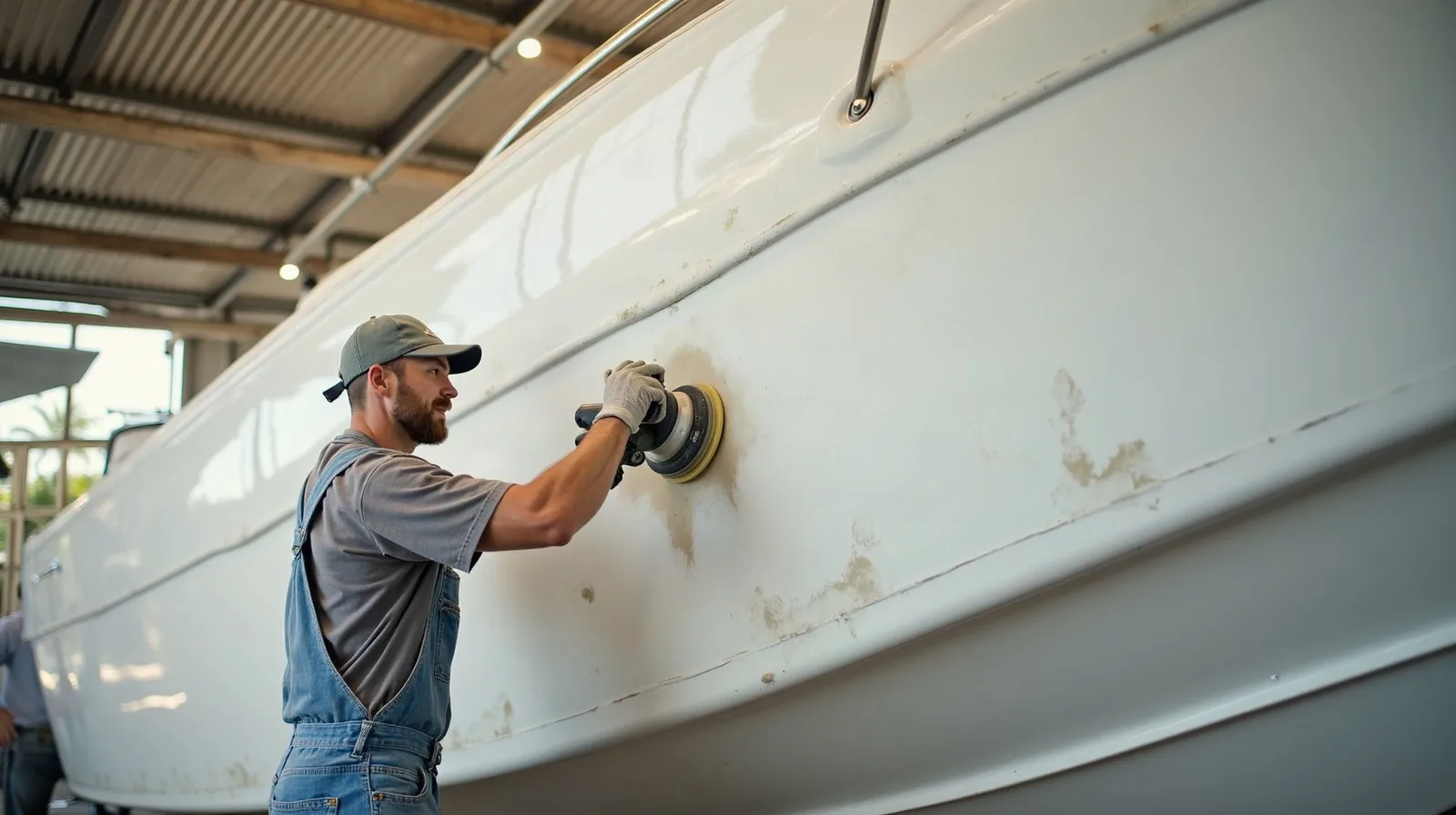
Fiberglass hull osmosis — water slowly soaking into the laminate and raising blisters — is one of three tropical enemies of a fiberglass boat, together with sun-degraded gelcoat and careless…
-
Galvanic Corrosion on Vessels: Early Detection and Anodes
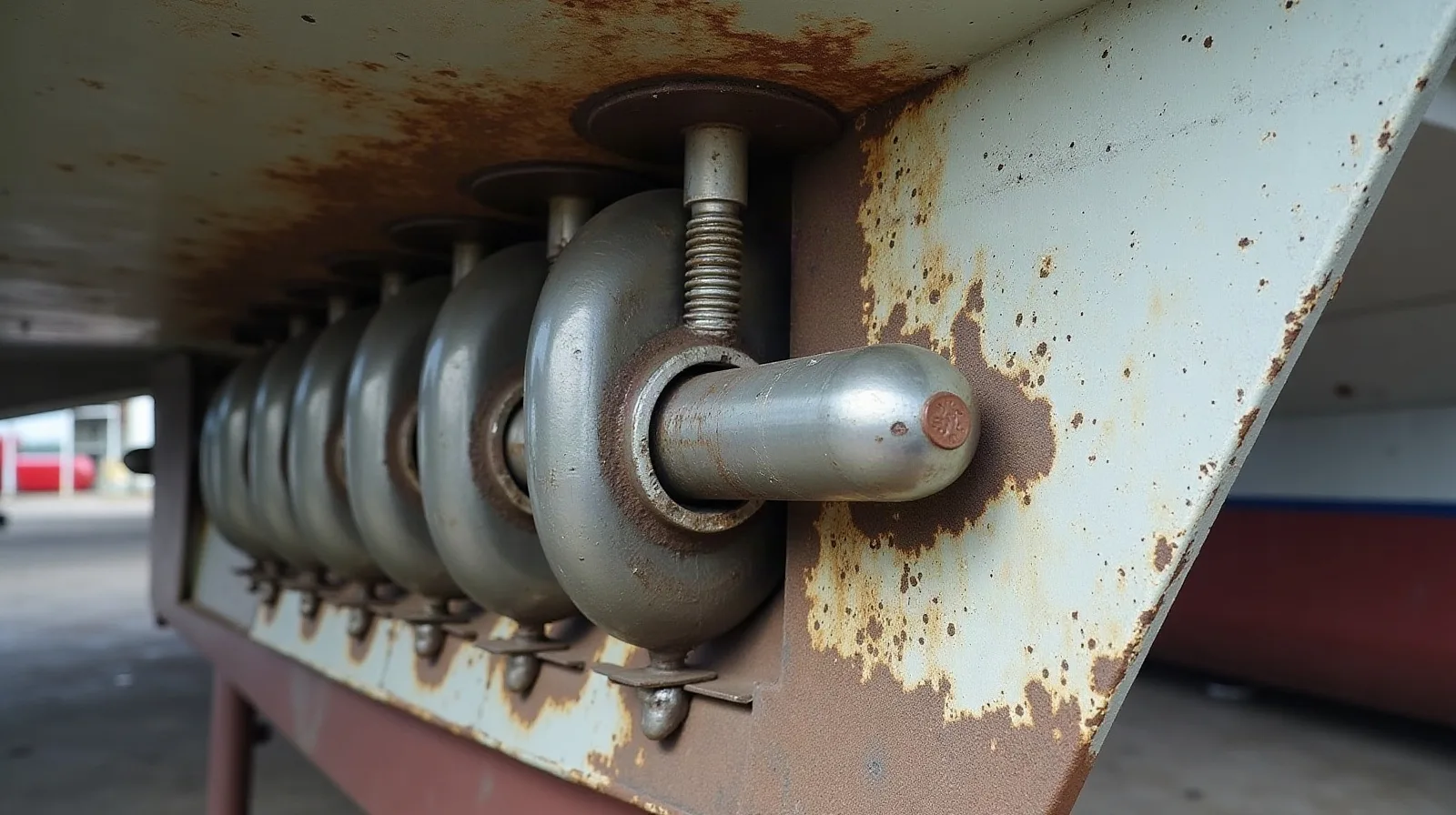
Galvanic corrosion on vessels occurs when two dissimilar metals are electrically connected in seawater: the more active metal corrodes to protect the more noble one. Steel hull plate, shafts and…
-
Top Overhaul vs Major Overhaul: Decide by Running Hours
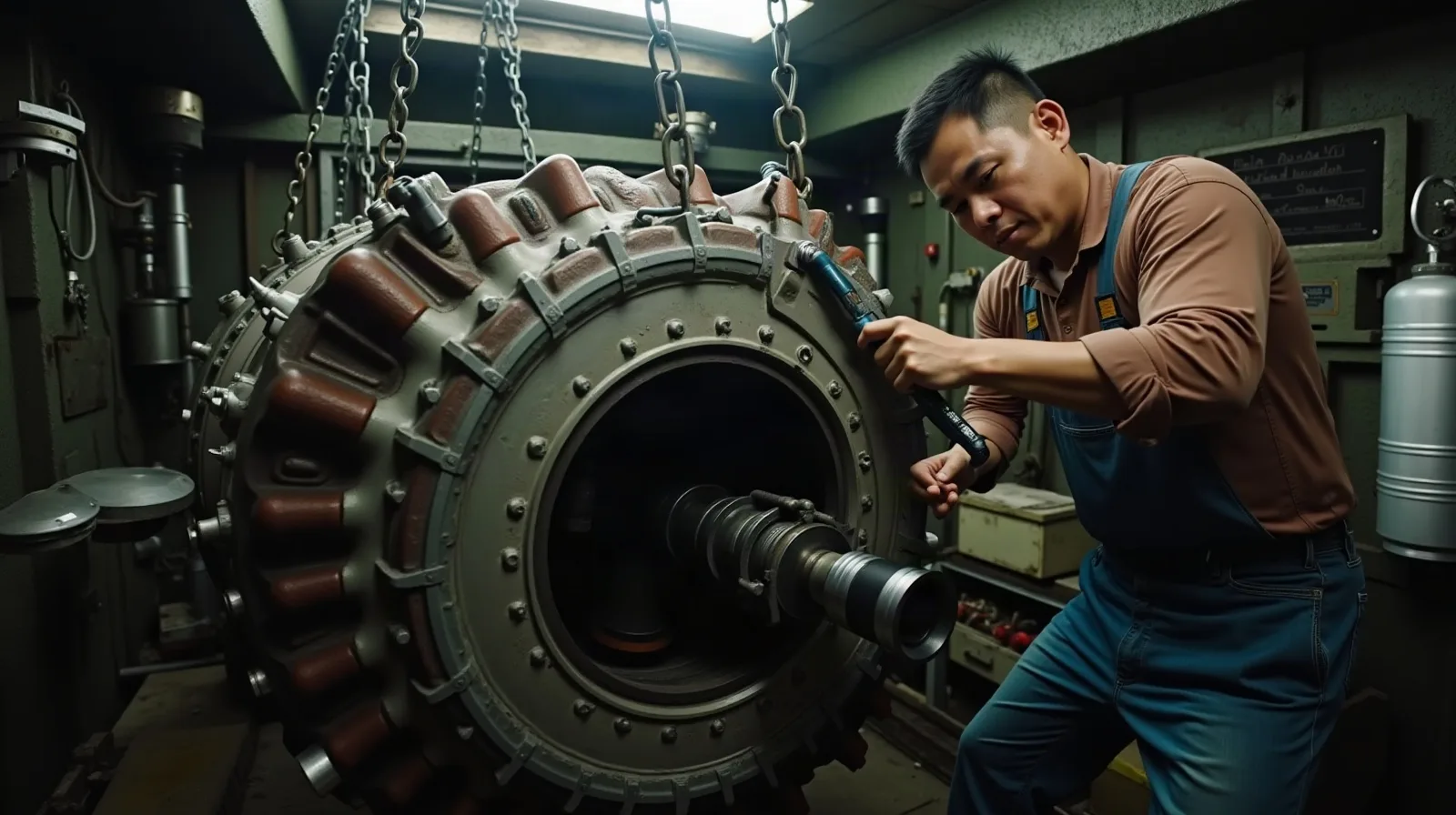
The top overhaul vs major overhaul decision is safest made from engine running hours, not gut feeling. Rule of thumb for mid-size marine diesels: top overhaul (cylinder heads, valves, injectors)…